

For Healthcare Professionals Only
Oxidative stress is often discussed in the context of ageing and general health, but its impact on reproductive function is equally important. As more patients seek support for conception, whether naturally or through assisted reproductive technologies, understanding oxidative stress becomes increasingly relevant in clinical practice.
How Oxidative Stress Influences Reproductive Health
Egg and sperm cells are highly energy-dependent with limited antioxidant protection. When too many unstable oxygen molecules build up - a process known as oxidative stress - the body’s natural defences can be overwhelmed, leading to cellular damage.
Evidence links elevated oxidative stress with:
- Reduced egg quality, affecting maturation and fertilisation potential
- Increased sperm DNA fragmentation and reduced motility
- Disturbances in hormonal regulation, potentially impacting cycle regularity
- Impaired embryo development and suboptimal implantation environments
Together, these effects highlight why oxidative stress is an important consideration across the fertility spectrum.
Where Oxidative Stress Comes From
Many contributors to oxidative stress are embedded in daily life. Key sources include:
Environmental Exposures
Air pollution, pesticides, heavy metals, and endocrine-disrupting chemicals can increase oxidative load. Patients may encounter these through occupation, urban living, or common household products.
Dietary Shortfalls
Micronutrients such as vitamins C and E, zinc, selenium, and CoQ10 are central to antioxidant defence and mitochondrial function. Many individuals consume insufficient levels through diet alone.
Stress & Sleep Loss
Stress-driven inflammation and reduced melatonin production can elevate oxidative stress over time.
Smoking, Alcohol & Vaping
These generate high levels of ROS and directly impact egg and sperm DNA integrity.
Imbalanced Physical Activity
Too little or too much exercise can impair redox balance, making moderate, consistent movement ideal.
Supporting Patients: Practical Approaches
1. Building Antioxidant Status Through Diet & Supplementation
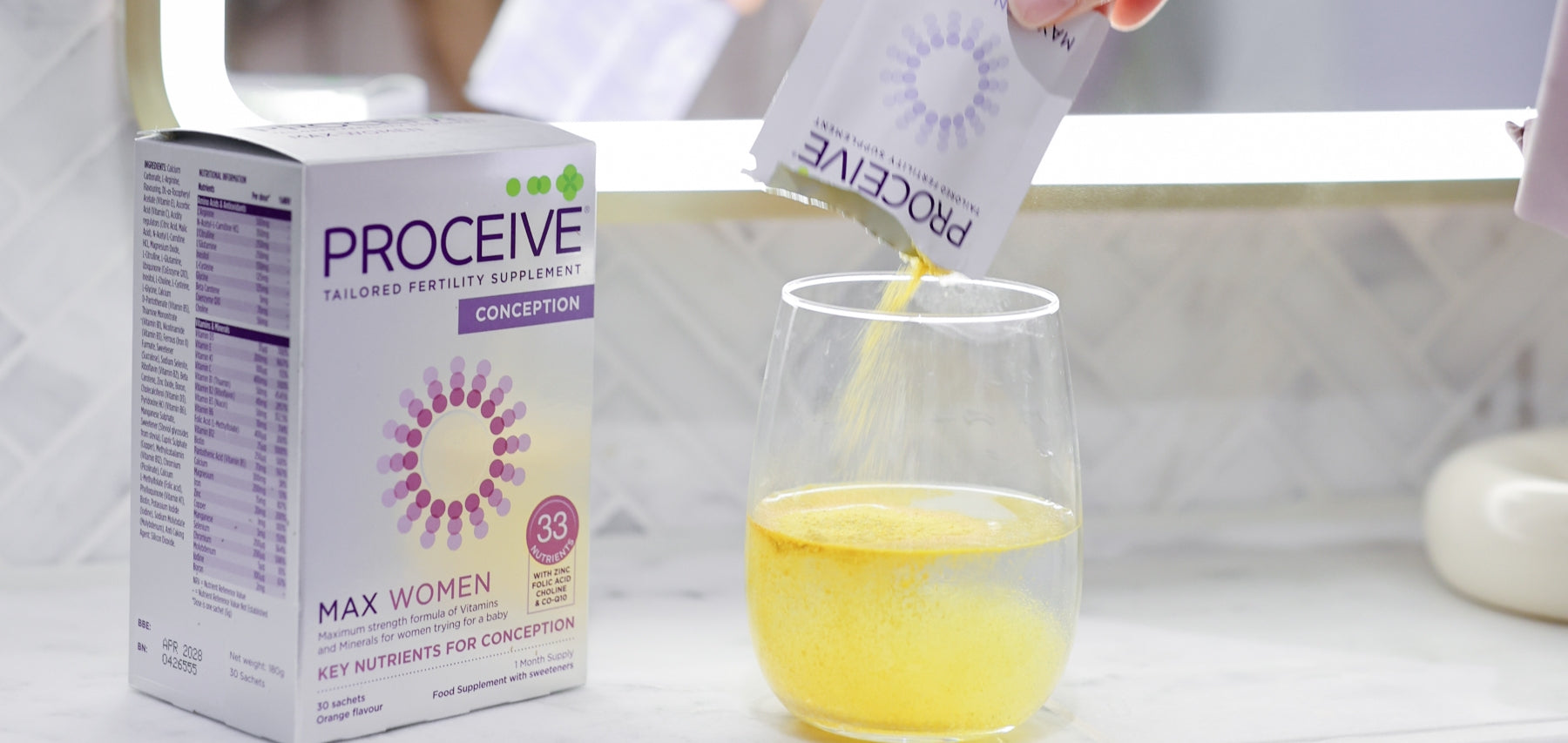
Encouraging patients to consume a varied, phytonutrient-rich diet is a strong foundation. Many individuals, especially those with high oxidative burdens or preparing for conception over age 35, may benefit from structured micronutrient support from a high-quality multivitamin such as Proceive®.
Ingredients featured in Proceive® formulations include:
- CoQ10 to support mitochondrial energy pathways in reproductive cells
- Zinc which contributes to normal fertility, reproduction, and DNA synthesis
- Selenium which supports normal sperm development
- Vitamins C & E key antioxidants that help protect cells from oxidative stress
These nutrients work synergistically to help maintain cellular integrity during the preconception period.
2. Reducing Environmental Exposures
Small adjustments can make a meaningful difference, using glass over plastic for food storage, improving ventilation, selecting low-toxicity personal care products, or reducing pollutant exposure where possible.
3. Prioritising Stress & Sleep Support
Practical recommendations such as consistent sleep routines, reduced evening screen exposure, and simple mindfulness techniques may help lower inflammation and support hormonal balance.
4. Encouraging Balanced Movement
Moderate physical activity supports circulation, metabolic health, and the body’s natural antioxidant systems.
Key Points for Fertility-Focused Practice
- Oxidative stress is a modifiable factor that can influence egg and sperm quality, hormonal balance, and implantation potential.
- Everyday lifestyle habits and environmental exposures can significantly increase oxidative load.
- Supporting patients through nutrition, lifestyle guidance, and targeted supplementation can help create a more favourable reproductive environment.
- Comprehensive formulations such as Proceive® offer evidence-based nutrients that support antioxidant status and cellular protection.
References
-
Agarwal A, Gupta S, Sharma RK. Role of oxidative stress in female reproduction. Reprod Biol Endocrinol. 2005;3:28. doi: 10.1186/1477-7827-3-28.
-
Carré J, Gatimel N, Moreau J, Parinaud J, Léandri R. Does air pollution play a role in infertility?: a systematic review. Environ Health. 2017;16(1):82. doi: 10.1186/s12940-017-0291-8.
-
Li X, Wang Z, Wang H, Xu H, Sheng Y, Lian F. Role of N-acetylcysteine treatment in women with advanced age undergoing IVF/ICSI cycles: A prospective study. Front Med (Lausanne). 2022 Oct 4.
-
Ruder EH, Hartman TJ, Goldman MB. Impact of oxidative stress on female fertility. Curr Opin Obstet Gynecol. 2009;21(3):219-22. doi: 10.1097/gco.0b013e32832924ba.
-
Showell MG, Mackenzie-Proctor R, Jordan V, Hart RJ. Antioxidants for female subfertility. Cochrane Database Syst Rev. 2020;8(8).