
As vegan diets grow in popularity, Nutritionist Gaye Godkin looks at the plant based diet in relation to fertility and conception.
What Is a Vegan Diet?
There is a growing trend in the western world towards eating a vegan diet. A vegan diet is a diet that excludes all animal foods and foods produced by animals. These foods include meat, fish, dairy products, eggs, gelatine and honey.
Plant Based Nutrition and Fertility
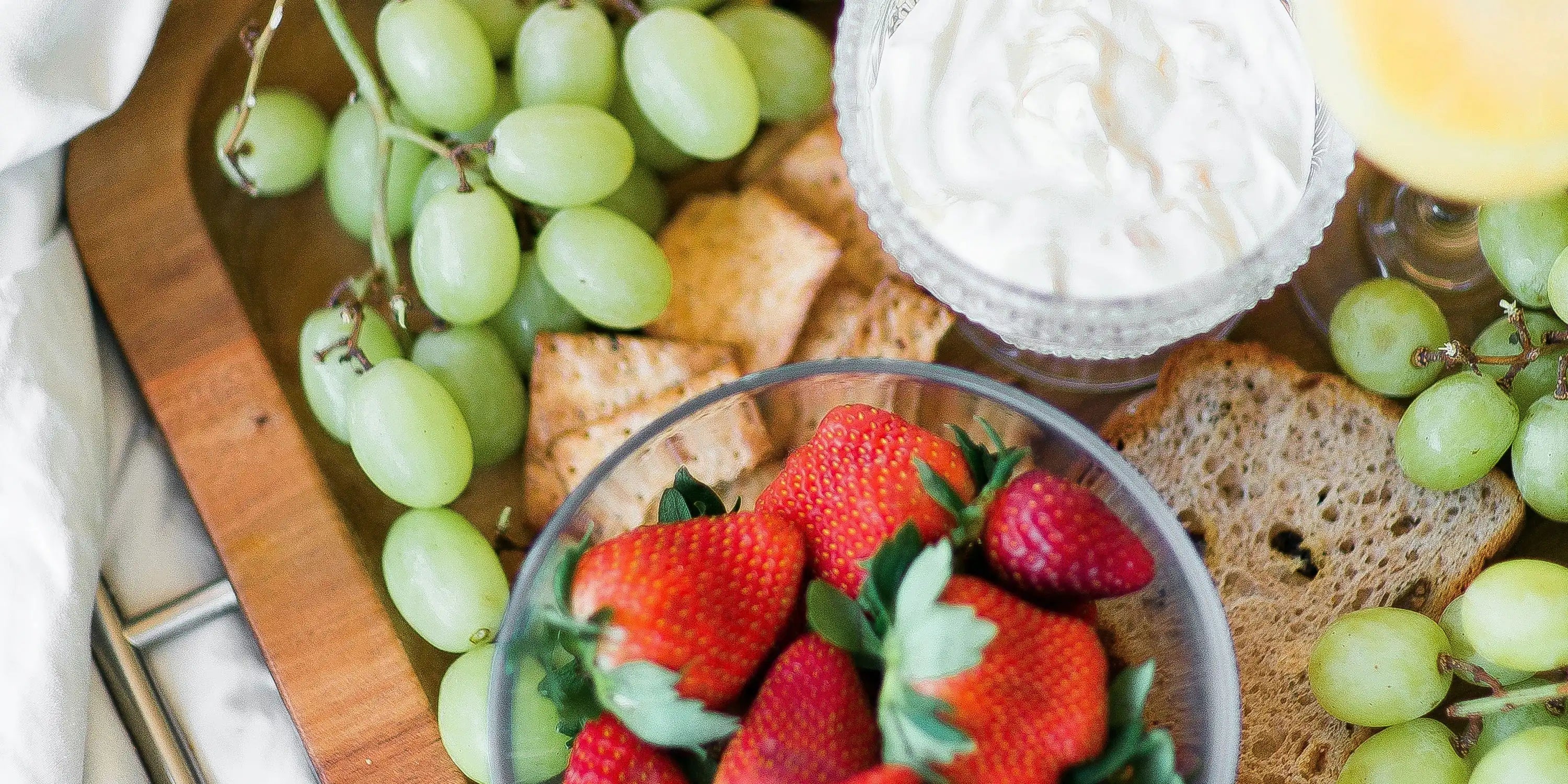
A vegan (or plant based) diet relies solely on plant foods. Plant based foods are really good for us and most people do not consume sufficient amounts in their diets. According to the World Health Organisation (WHO) we should be consuming approximately 850 grams of fruit and veg per day. This figure translates into approximately 8-10 servings. For most of us the average person consumes 2-3 servings a day so we have a long way to go to reach this target.
Key Nutrients to Consider When Trying to Conceive on a Vegan Diet
If you’re embarking on a plant based diet and hoping to conceive there are certain nutrients that are harder to get from a vegan diet and many of these are associated with fertility, here’s how to make sure you have all you need;
Protein and Amino Acids
When embarking on a vegan diet it is important to include a diverse array of proteins from various different sources to ensure that you are obtaining all of the necessary amino acids. Amino acids are the building blocks of the body. We consume them when we eat protein. Plants contain many valuable proteins. A vast number of proteins are required for the production of hormones, cell growth tissue growth and repair. The foetus is growing rapidly and developing tissue and bones. To optimise your nutritional status at this important time, aim to consume proteins from an array of plant sources. Plant proteins are found in; nuts, seeds, peas, beans, legumes, fruit and vegetables. Aim to increase vegetable protein at this stage and choose a rainbow of colours when using vegetable proteins. Vegetable proteins are particularly nutritious as they are packed full of healthy plant chemicals and antioxidants which support cell health and cell division.
Proteins from animal produce contain all of the essential amino acids. Animal proteins are often referred to as ‘complete proteins’. No vegetable protein source contains all the essential amino acids. Therefore it is necessary to combine them. By combining grains with nuts and seeds or legumes makes up a complete protein. It is wise to ensure that every day combined proteins are consumed every day.
Iron Intake on a Vegan Diet
Iron from animal produce is termed haem- iron which is easily absorbed by the body. Vegetable sources of iron are not as strong. Aim to eat iron rich foods such as prunes, lentils, black beans, apricots, spinach, swiss chard, tempeh and chickpeas.
Vitamin B12 and Supplementation
Vitamin B12 is a crucial vitamin which the body requires always requires especially during pregnancy. There is no vegetable source so if you want to eat a vegan diet it is essential to supplement your diet with B12 and have your blood levels regularly checked.
Supporting Conception with a Multivitamin
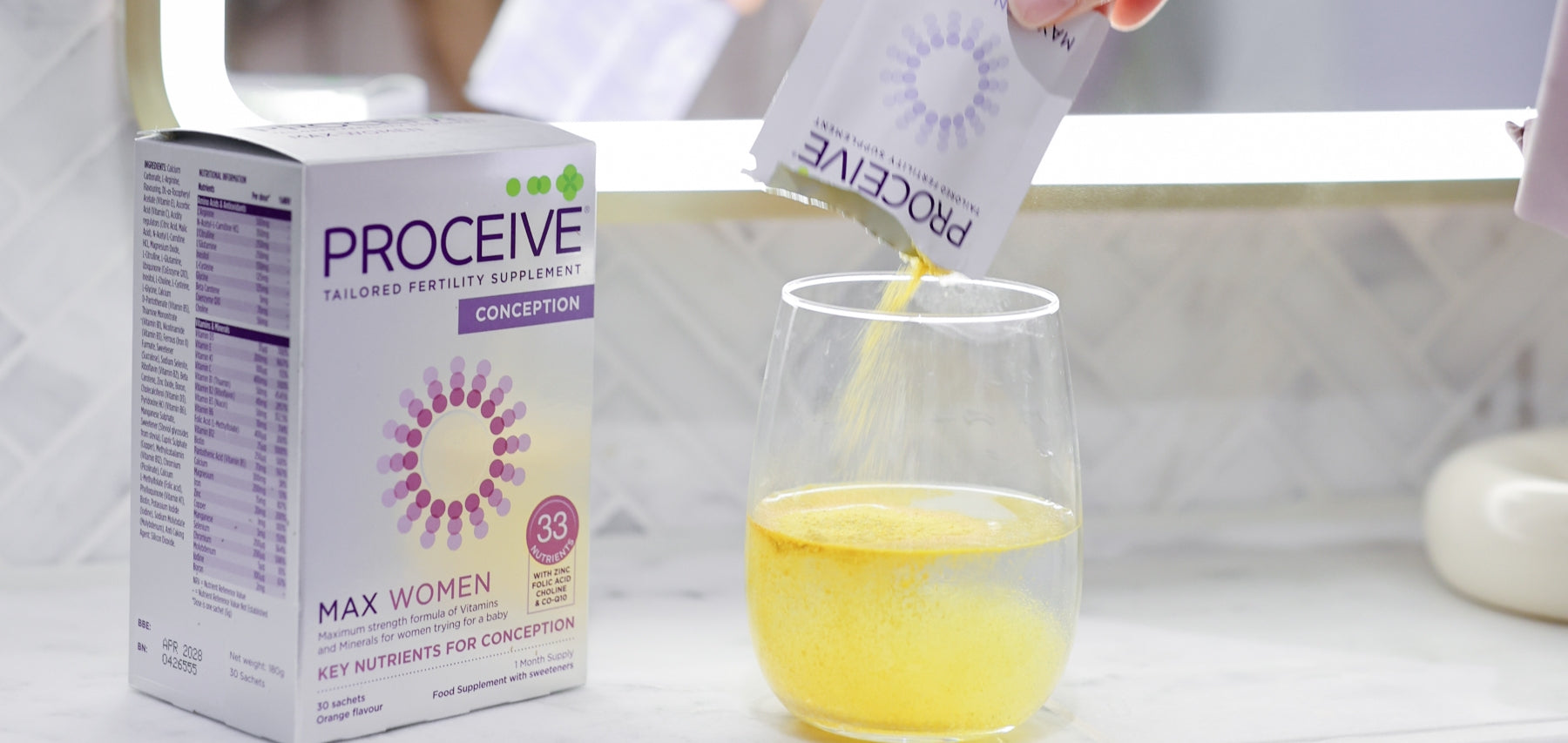
In addition to a healthy diet and lifestyle, taking a good quality multivitamin/multimineral will provide all the essential vitamins and minerals needed during this time.
Certified Vegan Supplements for Women and Men
We are very proud to say that Proceive Women & Proceive Men are now certified Vegan and can be taken along with a Vegan Diet.
Gaye Godkin, Health Nutritionist, , MPH Nutrition (Hons) DipNT cNLP.
Frequently Asked Questions
-
Can a vegan diet support fertility?
A vegan diet can support fertility when it is well planned. It is important to ensure adequate intake of key nutrients such as protein, iron and vitamin B12, which can be harder to obtain from plant sources.
-
Why is protein important when trying to conceive?
Protein provides amino acids, which are the building blocks of the body. They are required for hormone production, cell growth, tissue repair and foetal development.
-
Are plant proteins complete proteins?
No single vegetable protein source contains all essential amino acids. Combining grains with nuts, seeds or legumes helps form a complete protein.
-
Is iron harder to absorb on a vegan diet?
Yes. Iron from animal produce (haem iron) is more easily absorbed. Plant sources such as lentils, spinach, chickpeas and black beans can help increase iron intake.
-
Why is vitamin B12 important on a vegan diet?
Vitamin B12 is essential, particularly during pregnancy. There is no vegetable source, so supplementation and regular blood level checks are recommended when following a vegan diet.