
Pre-conception health for both mum’s and dad’s-to-be is so important. Nutritionist Gaye Godkin examines the reasons to consider a pre-conception supplement if you’re thinking about or currently trying for a baby.
The Impact of Lifestyle and Nutrition on Reproductive Health
Just over a third of couples will conceive in the first month of trying, while for others it can be a much longer road, with factors such as age, general health and reproductive health affecting how long it takes. Around 1 in 6 couples may experience issues with fertility.
The growing demands of a modern lifestyle are having a significant impact on our nutritional health. Stress, anxiety, lack of sleep, dieting and poor nutrition all impact the bodies ability to absorb the nutrition needed to optimise reproductive health.
Improving nutrition and lifestyle for as little as three months before trying to conceive can make a noticeable difference to both genders as both the male and female reproductive systems need adequate nutritional support to contribute to sperm and egg quality.
Nutrition for Women
Hormones and their appropriate release during the female monthly cycle is hugely dependent on the food and nutrients a female consumes. Female hormones require a selection of vitamins and co-factors to support a timely release of necessary hormones. Without these nutrients, the delicate orchestral balance can be disrupted. Many women dealing with fertility issues have hormonal imbalances.
Nutrition for Men
While for men, the body produces a new batch of sperm approximately every 74 days. This is good news for men as positive dietary changes and key supplementation can change the quality of sperm every 3 months.
Essential Nutrients for Pre-Conception Health
Folic Acid and Pre-Conception
Folic acid comes from the B Vitamin Folate, it is vital that a woman has sufficient folic acid in her system prior to conception and during pregnancy to prevent amongst other things neural defects. The Department of Health recommends that all women take folic acid for at least 3 months before pregnancy. As it is a water soluble vitamin it is not stored in the body so it must be taken in daily. Unfortunately food sources don’t provide sufficient amounts at this time so supplementation is necessary. All Proceive products contain the recommended 400ug of Folic Acid.
B Vitamins and Fertility
B-vitamins are water soluble which means that the body cannot store them and they are excreted daily. They are the co-factors for many enzymatic reactions in the body. One of their most important functions is their role in energy production within the cell. Without sufficient energy, the body’s manufacturing area cannot produce hormones and ultimately support conception.
Vitamin D and Reproductive Health
The sunshine vitamin – it acts as a steroid hormone in the body. It is imperative that any woman considering conception should have sufficient levels in her body. Due to the UK’s northerly latitude, we lack this vitamin. In fact data collected from Irish maternity hospitals have found that 99% of participants fell short on Vitamin D. Vitamin D supplementation particularly during winter months is very important.
Iron, Calcium and Magnesium for Pre-Conception
Iron, Calcium and Magnesium make up most of the minerals in the body. These nutrients are commonly deficient in women and some men. The development of the foetus is hugely dependent on these vital nutrients. Levels of these important nutrients are lower in the modern diet and what’s more depletion is associated with the consumption of processed and ultra-processed foods. While digestive health issues such as I.B.S. or Coeliac disease or food intolerances impair the body’s ability to absorb these nutrients in the gut. It is most advantageous for both a man and a woman to increase their levels of these vital minerals before they embark on the conception journey. Taking a good quality nutritional supplement prior to conception will help to prevent such deficiencies.

Supporting Pre-Conception Health with Supplements
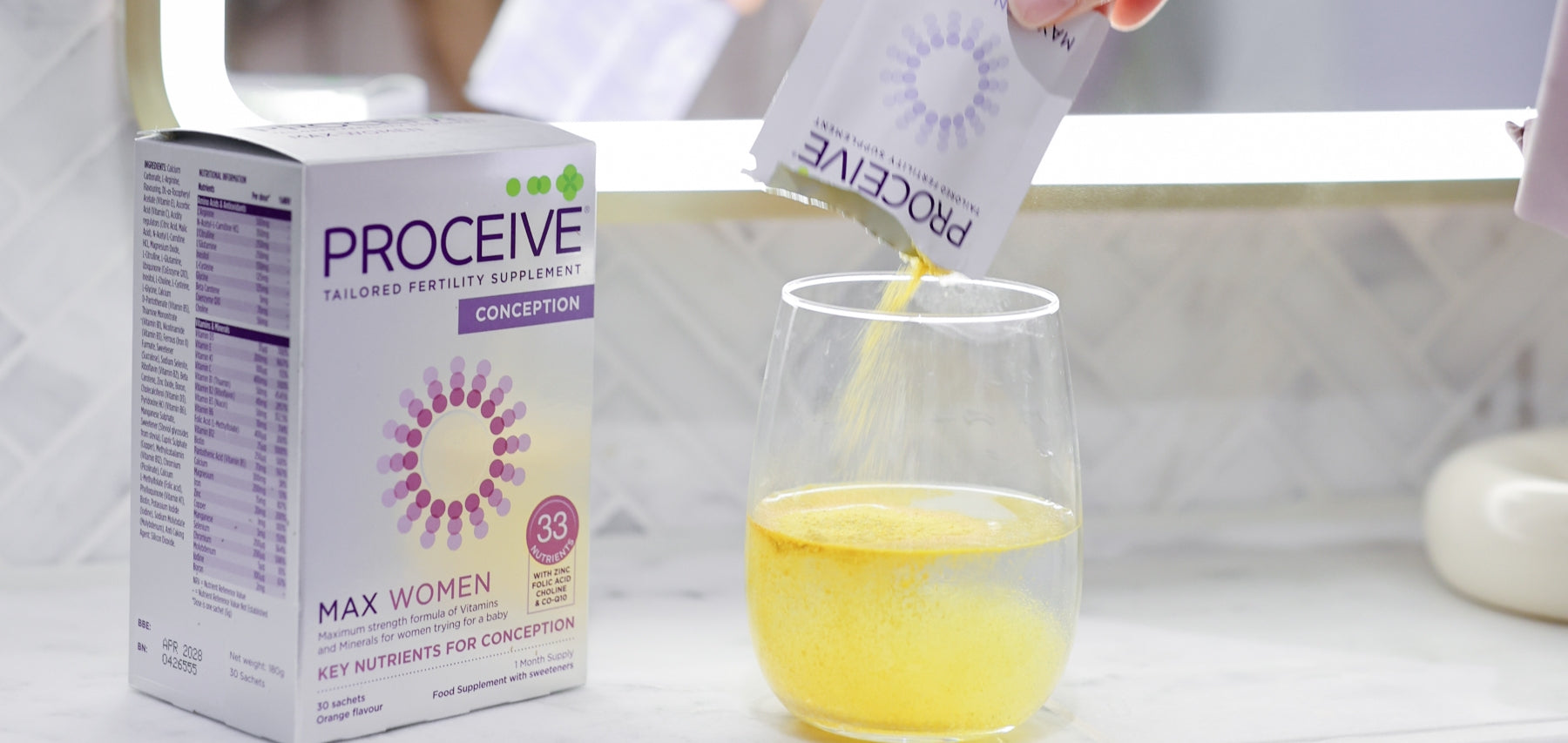
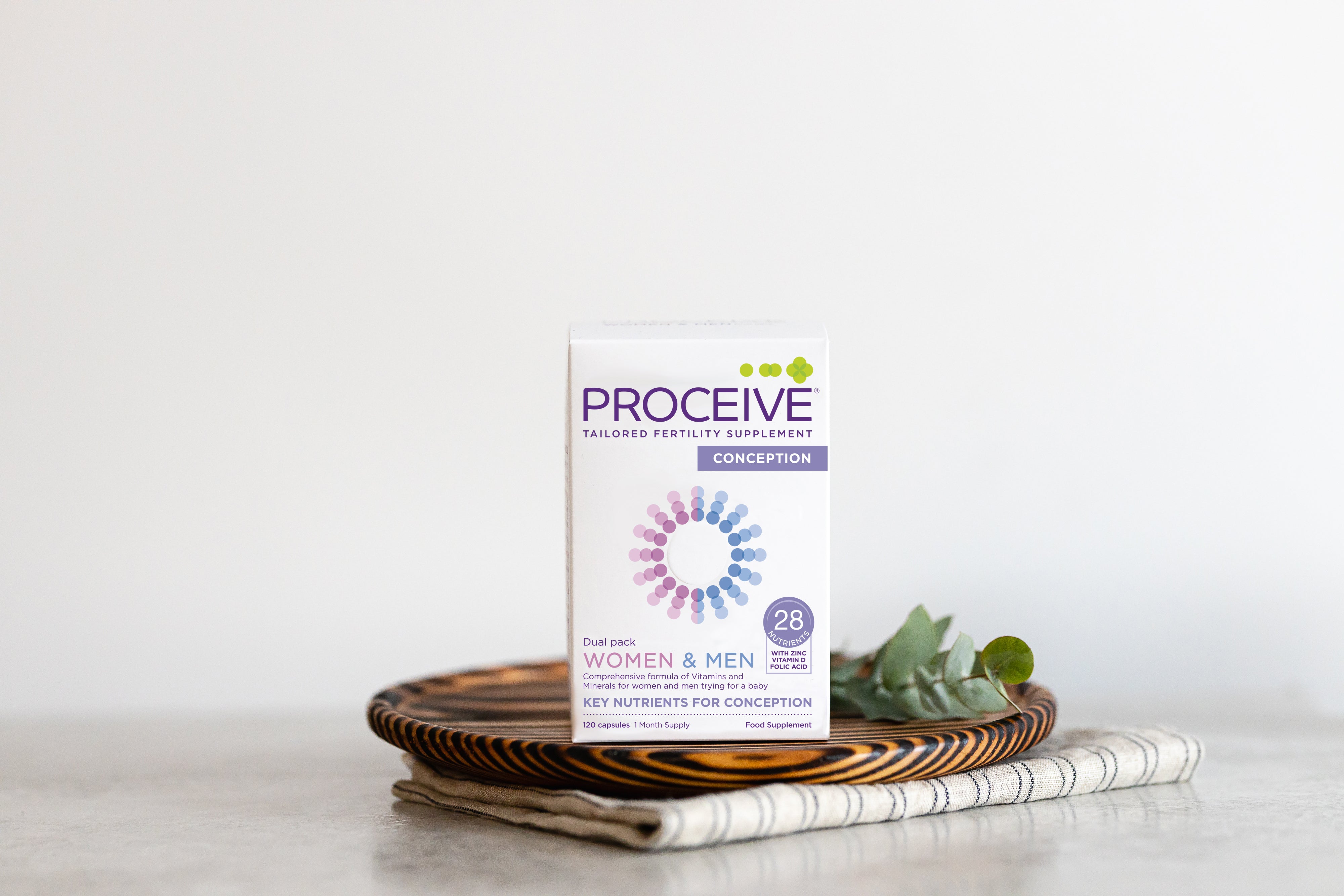
It can be difficult to get all of these nutrients in the diet in today’s busy world. This is where supplements such as Proceive can help, by providing extra support needed to support good pre-conception health. Check out our Proceive® Women & Men Dual pack fertility supplement. The dual pack contains all the nutrients in the Proceive® Women pack and in the Proceive® Men pack. It offers better value than buying the packs separately and is available to help aid couples’ ease for everyday use.
Gaye Godkin, Health Nutritionist, , MPH Nutrition (Hons) DipNT cNLP.
Frequently Asked Questions
-
Why is pre-conception health important for both women and men?
Pre-conception health is important because both male and female reproductive systems need adequate nutritional support to contribute to egg and sperm quality. Improving nutrition and lifestyle for as little as three months before trying to conceive can make a noticeable difference.
-
How long before trying for a baby should I improve my diet and lifestyle?
Improving nutrition and lifestyle for as little as three months before trying to conceive can make a noticeable difference for both men and women.
-
How often is new sperm produced?
The body produces a new batch of sperm approximately every 74 days, which means positive diet and lifestyle changes can influence sperm quality within around three months.
-
Why can it be hard to get enough nutrients from food alone when trying to conceive?
Modern lifestyle pressures such as stress, poor sleep, dieting and busy routines can affect nutritional intake and the body’s ability to absorb key nutrients needed for reproductive health.
-
What are the key nutrients highlighted for pre-conception health?
The article highlights folic acid, B vitamins, vitamin D, and key minerals including iron, calcium and magnesium as important nutrients to support pre-conception health.
-
How long does it usually take to conceive?
Just over a third of couples will conceive in the first month of trying, while for others it can take much longer. Factors such as age, general health and reproductive health all affect how long it takes
-
How does nutrition affect fertility?
Stress, anxiety, lack of sleep, dieting and poor nutrition can impact the body’s ability to absorb the nutrients needed to optimise reproductive health. Nutrition plays a key role in hormone production and reproductive function.
-
Why is folic acid important before pregnancy?
Folic acid is vital before conception and during pregnancy to help prevent neural defects. The Department of Health recommends that all women take folic acid for at least three months before pregnancy.
-
Why are B vitamins important for conception?
B vitamins support energy production within the cell. Without sufficient energy, the body cannot produce hormones effectively or support conception.
-
Why is vitamin D important when trying to conceive?
Vitamin D is essential for women considering conception. Due to northerly latitude, deficiency is common, particularly during winter months.
-
Why are iron, calcium and magnesium important for pre-conception health?
These minerals are commonly deficient and are vital for foetal development. Digestive issues and modern diets can reduce absorption, making supplementation beneficial before conception.
-
Can supplements support pre-conception health?
It can be difficult to get all necessary nutrients from diet alone. Supplements such as Proceive® can provide extra nutritional support for good pre-conception health.