

Nutrition is one of the few aspects of IVF treatment that you can actively influence. This guide explores how a Mediterranean-style diet, targeted nutrients and appropriate supplementation may help support egg quality, sperm health, implantation and overall nutritional status before, during and after IVF treatment. It also outlines practical nutrition considerations for the two-week wait and highlights the role of fertility supplements when dietary intake alone may not meet nutritional needs.
Going through a cycle of In Vitro Fertilization (IVF) is a journey often filled with immense hope, but also vulnerability, scheduling, and a feeling that so much of the process is completely out of your hands.
And while much of the journey can feel overwhelming, nutrition is something that you can take control of before, during and well after the IVF process has finished. It gives autonomy, confidence and a focus to many individuals.
The three months leading up to and during an IVF cycle known as the preconception window is a critical phase. During this time, the food we eat acts to support healthy regeneration of sperm in men, maturation of eggs and support the uterine environment (where the embryo will eventually implant in women). Nutrition is not about achieving 'perfection' or adhering to restrictive, stressful rules. Instead, it is about giving our body the fuel, antioxidants, and building blocks it needs to thrive (1).
The Mediterranean Diet and IVF Nutrition
If you search the internet for a 'fertility diet', (and indeed many of us have), you will find a mix of conflicting advice. It is often challenging to decipher what might help and what could hinder outcomes when approaching IVF. And while we may see some strange concepts being touted as the miracle nutrition intervention to achieve pregnancy, one diet that is commonly recommended is the Mediterranean diet.
This dietary pattern emphasises minimally processed fruits, vegetables, wholegrains, legumes, nuts and seeds. The primary fat source is olive oil with dairy, eggs, fish and poultry consumed in moderate amounts. While red meat may also be eaten in small amounts, the consumption of fish and legumes, and to a lesser extent, poultry, predominate. Mediterranean dietary patterns have been shown to reduce the risk of cardiovascular disease, type 2 diabetes and cancer (2).
Research shows that high adherence to a Mediterranean diet significantly improves clinical pregnancy and live birth rates, particularly in women under 35 (3). Increased chance of implantation, pregnancy rates and live birth rates was also demonstrated in women undergoing fertility treatment (4). In men, increased adherence to a Mediterranean style diet improves sperm health (3).

Nutrition to Support Egg Quality During IVF
Oxidative stress caused by ageing, excess body fat, pollution, smoking, alcohol and psychological stress can all negatively impact egg quality (5). As we know we cannot change the number of eggs that women have but we can improve egg quality with some research backed lifestyle and nutritional interventions.
As well as the Mediterranean diet, there are some specific nutrients which also support egg health:
- Omega-3 fatty acids: from oily fish like salmon
- Antioxidants: Found in fruit, vegetables, nuts, seeds and extra virgin olive oil.
- Zinc: Including foods like beef, chicken, fish, seafood, legumes & beans, nuts.
- Co-enzyme Q10 (CoQ10): found in oily fish, meat, poultry, nuts and seeds but recommended in a supplemental dose when targeting egg quality
- Vitamin D: Found in egg yolks, salmon and fortified foods. It is recommended to supplement with Vit D, particularly in the winter months in the UK and Ireland.
Nutrition to Support Sperm Health During IVF
Sperm health accounts for half of your future embryo’s genetic makeup, and sperm are incredibly sensitive to diet, lifestyle and supplemental changes. A Mediterranean style of eating is also recommended for male fertility health.
Foods and nutrients to consider to support sperm health:
- Fish: Including fish rich in omega-3 fatty acids is supportive for sperm quality (6).
- Selenium: Foods rich in selenium include Brazil nuts (1-2 daily), seafood, meat
- CoQ10: Supplementation can support sperm health, in particular the quantity and quality. Dietary sources include oily fish and wholegrains.
- Folate: Essential for supporting DNA health. Include folate rich foods such as green leafy vegetables (7).
- Amino Acids: During an IVF prep window, specific amino acids like L-Carnitine and L-Arginine act as antioxidant shields.
Nutrients That Support Implantation
When it comes to the preparation before embryo transfer most of the nutritional advice is in line with the Mediterranean style diet. However there are some more targeted nutritional approaches that can be considered. In the lead up and during implantation supporting progesterone production as well as the endometrial lining in preparation is the focus.
Some nutrients to consider:
- Vitamin B6: Foods such as chicken, turkey, oily fish, dark green leafy vegetables, bananas and potatoes are rich in Vit B6. Supplements may support progesterone levels (8).
- Vitamin C: Try adding berries, kiwis, red peppers, and citrus fruits to your diet and supplementation if dietary intake is lacking.
- Vitamin D: Ensure that Vit D levels are optimal before entering into fertility treatment and that adequate supplementation is in place.
- Vitamin E: Found in plant based oils, nuts and seeds.
- Omega 3 fatty acids: Aim to include fatty fish twice per week
- Zinc: Opting for foods like brazil nuts, eggs and oysters
- L-Arginine: Found in turkey, chicken, soya beans, pumpkin seeds and walnuts.
Nutrition During the Two-Week Wait
The "Two-Week Wait" (TWW) is the period between ovulation (or embryo transfer) and when a pregnancy test can accurately detect the hormone hCG. It is considered a very emotionally challenging and stressful part of the trying-to-conceive process. During this time is it important to rest and nourish yourself. Knowing what you can (and should not eat) can also help alleviate some anxiety during an acutely stressful time.
To support health during this period, the following nutritional strategies are recommended:
- Safety Precautions: It is recommended to eat as though you are pregnant (as you may well be during this time). Therefore avoid foods with a high risk of listeria, such as sushi, sashimi, deli meats, and soft cheeses. Additionally, limit caffeine intake if not already doing and cease taking supplements that lack adequate safety data for pregnancy, such as high-dose vitamin E.
- 'Eat the rainbow' to ensure a diverse intake of plant-based nutrients
- Include a variety of wholegrains, such as rice, oats, and quinoa and adequate consumption (2-3 portions daily) of dairy products.
- Excess Caffeine & Avoid Alcohol: Abstaining from alcohol during this time and throughout pregnancy is recommended and cap your caffeine intake at 200 mg per day (about one to two small cups of coffee).
Supplements to Consider During IVF
Ideally we would like to be getting all of the nutrients required to support our bodies while navigating IVF through food. However, for various reasons, it may not always be possible. For example you may be juggling appointments, work and family commitments leaving limited time for food preparation or have dietary restrictions or preferences that limits the intake of certain nutrients. As well as this, as we have seen some nutrients such as Vit D and CoQ10 are required in supplemental doses that are not possible to get in optimal doses through food. Therefore choosing a high quality, research backed supplement can help fill these nutritional gaps.
A prenatal supplement (for both male and female partners) specifically designed for those undergoing fertility treatments can help to support egg quality and implantation by reducing nutrient deficiencies and ovulatory problems, support AMH Levels, strengthen antioxidant defences(9, 10) as well as providing nutrients which are unattainable in required doses through the diet such as Vit D.
In fertility treatments like IVF, targeted amino acid supplementation (such as L-Arginine, N-Acetyl Cysteine and L-Carnitine) is often used to boost egg quality, increase uterine blood flow , and improve sperm parameters (11)
Key Nutrients for Female Fertility Supplements
Some key nutrients to look for in your female fertility supplement includes:
- Vitamins D, B6 and E, Folate/folic acid
- L-Arginine
- CoQ10
- Minerals - Iron and Zinc
- Omega 3
Key Nutrients for Male Fertility Supplements
Some key nutrients to look for in your male fertility supplements includes:
- Folate
- Omega 3
- CoQ10
- Selenium
- Amino acids - L-Carnitine and L-Arginine
Key Takeaways for Nutrition During IVF
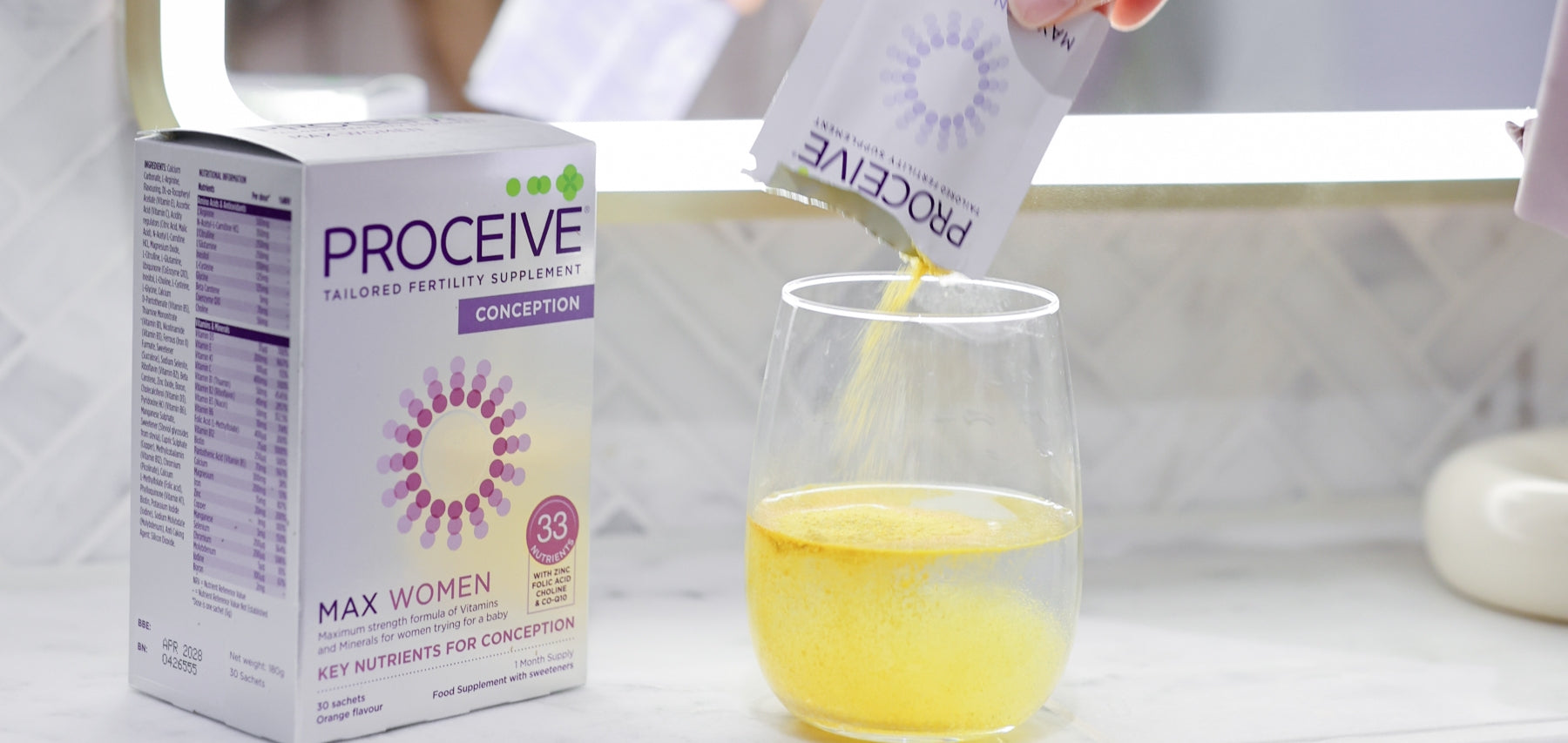
While a balanced, nutrient-dense diet forms the essential foundation of your fertility journey, meeting your nutritional demands through food alone can sometimes be challenging. Specially formulated options, such as Proceive Max Men and Proceive Max Women, can serve as a supportive safety net to fill these micro-nutritional gaps. These advanced formulations deliver comprehensive support with key vitamins and minerals that contribute to normal fertility, reproduction, and cellular division, helping you prepare your body for the road ahead. For instance, supplemental folate safely elevates folate status to support maternal tissue growth, while essential minerals like zinc contribute to normal fertility and reproduction. Rather than replacing a varied diet, a high-quality prenatal supplement is designed to complement your daily meals. For the best outcomes, always discuss your supplement regimen with your clinical team to tailor it safely to your unique IVF protocol.
Frequently Asked Questions
-
Why is nutrition important during IVF treatment?
Nutrition provides the body with the fuel, antioxidants and nutrients needed to support egg quality, sperm health, implantation and overall reproductive health before, during and after IVF treatment.
-
What diet is recommended during IVF?
The article recommends following a Mediterranean-style dietary pattern that includes fruits, vegetables, wholegrains, legumes, nuts, seeds, olive oil, fish and moderate amounts of dairy, eggs and poultry.
-
Which nutrients may support egg quality?
Key nutrients discussed include omega-3 fatty acids, antioxidants, zinc, CoQ10 and vitamin D alongside a balanced Mediterranean-style diet.
-
Which nutrients may support sperm health?
The article highlights omega-3 fatty acids, selenium, CoQ10, folate and amino acids such as L-Carnitine and L-Arginine as nutritional considerations for supporting sperm health.
-
What nutritional support is recommended before embryo transfer?
The article discusses nutrients including vitamin B6, vitamin C, vitamin D, vitamin E, omega-3 fatty acids, zinc and L-Arginine alongside a Mediterranean-style diet.
-
What should you eat during the two-week wait?
The article recommends eating as though you are pregnant by avoiding high-risk foods, limiting caffeine, avoiding alcohol and continuing to eat a varied, nutrient-rich diet.
-
Can fertility supplements help during IVF?
The article explains that fertility supplements may help fill nutritional gaps when diet alone does not provide sufficient levels of certain nutrients required during IVF preparation.
-
What nutrients should you look for in fertility supplements during IVF?
The article highlights nutrients including folate, vitamin D, vitamin B6, vitamin E, zinc, iron, omega-3 fatty acids, CoQ10 and selected amino acids depending on whether the supplement is intended for women or men.
References
- Alesi, S., Grieger, J. A., Teede, H., Hébert, J. R., Moss, R. K., Price, S., Hodge, A., Moran, L., & Mousa, A. (2024). Diet and female fertility: a population-based study re-evaluating the need for prescriptive dietary patterns. PubMed Central (PMC), Article 12586016.
- Tosti V, Bertozzi B, Fontana L. Health Benefits of the Mediterranean Diet: Metabolic and Molecular Mechanisms. J Gerontol A Biol Sci Med Sci. 2018 Mar 2;73(3):318-326. doi: 10.1093/gerona/glx227. PMID: 29244059; PMCID: PMC7190876.
- Karayiannis, D., Kontogianni, M. D., Mendorou, C., Mastrominas, M., & Yiannakouris, N. (2018). Adherence to the Mediterranean diet and IVF success rate among non-obese women attempting fertility. Human Reproduction, 33(3), 494–502. https://doi.org/10.1093/humrep/dey003
- Gaskins, A. J., et al. (2018). "Diet and fertility: a review." American Journal of Obstetrics and Gynecology
- Meldrum DR, Casper RF, Diez-Juan A,, Simon C, Domar AD, Frydman R. Aging and the environment affect gamete and embryo potential: can we intervent? Fert Steril. 2016; 105(3):548-59
- Wright C, Milne S, Leeson H. Sperm DNA damage caused by oxidative stress: modifiable clinical, lifestyle and nutritional factors in male infertility. Reprod Biomed Online. 2014 Jun;28(6):684-703
- Allgood VE, Cidlowski JA. Vitamin B6 modulates transcriptional activation by multiple members of the steroid hormone receptors superfamily. J Biol Chem. 1992 267(6)3819-3824.
- Abraham GE. Nutritional factors in the etiology of the premenstrual tension syndromes. J Reprod Med 1983:28(7):446-464
- Chavarro JE, Rich-Edwards JW, Rosner BA, Willett WC. Use of multivitamins, intake of B vitamins, and risk of ovulatory infertility. Fertil Steril. 2008 Mar;89(3):668-76. doi: 10.1016/j.fertnstert.2007.03.089. Epub 2007 Jul 10. PMID: 17624345; PMCID: PMC2366795.
- Lipovac M, Aschauer J, Imhof H, Herrmann C, Sima M, Weiß P, Imhof M. The effect of micronutrient supplementation on serum anti-Mullerian hormone levels: a retrospective pilot study. Gynecol Endocrinol. 2022 Apr;38(4):310-313. doi: 10.1080/09513590.2022.2028770. Epub 2022 Feb 11. PMID: 35147056.
- Gao H. Amino Acids in Reproductive Nutrition and Health. Adv Exp Med Biol. 2020;1265:111-131