
Skip to content

Our HCP Blog is for Healthcare Professionals Only

If you are not a Health Care Professional, please visit the main Proceive blog here

HCP Blog

The Effect of Age on Men’s Fertility

The Effect of Age on Men’s Fertility

For Healthcare Professionals OnlyUnlike women, men do not have a clear end point to their fertility. They continue to produce new sperm throughout their lives and can father children at any age. However, research shows that male fertility does decline gradually with age, particularly after the age of 40. In reality, a typical 45-year-old man is less fertile than a man 10 years younger, with sperm quality beginning to decline as early as 35. Sperm quality and age As men get older, the quality of their sperm changes. Semen volume tends to decrease, and there are often fewer moving (motile) sperm and fewer normally shaped (morphologically normal) sperm. Studies also show that sperm from older men are more likely to have DNA damage, with DNA fragmentation in sperm roughly doubling between ages 30 and 45. This can make it harder to achieve a pregnancy and is thought to be linked to increased oxidative stress in the body over time. Lower testosterone levels in older men may also contribute to reduced libido and erectile difficulties, which can affect a couple’s chances of conceiving naturally. The role of health and lifestyle Many health conditions that become more common with age - such as obesity, high blood pressure and type 2 diabetes - can have a negative impact on male fertility. These conditions can alter hormone levels, damage blood vessels, and increase oxidative stress, all of which may affect sperm production and quality. Lifestyle factors play a big part too. Smoking, drinking excess alcohol, eating a poor diet, or being inactive can all worsen age-related fertility decline. The good news is that these are modifiable factors. Supporting men to maintain a healthy weight, exercise regularly, stop smoking, and limit alcohol can have a positive impact on sperm health. Fertility outcomes and risks This age-related decline in male fertility is often overlooked. While many older men do father children, studies show that conception can take longer as paternal age increases. There is also a higher likelihood of needing fertility treatment. Some research suggests a small increase in the risk of pregnancy loss or certain health conditions in children of older fathers, but it’s important to note that the overall risk remains low. For couples trying to conceive, it’s important that both partners’ health and age are considered during any fertility assessment. Supporting male fertility Its not all bad news - research shows that some of this decline can be prevented, or at least slowed, with the right diet and lifestyle. Nutrition plays an important role in sperm production and protection against oxidative stress. Key nutrients such as zinc, selenium, vitamin C, vitamin E, and L-carnitine contribute to normal sperm development and help protect cells from oxidative damage. These nutrients can be obtained through a healthy, balanced diet or through a targeted preconception supplement. Key takeaways for healthcare professionals Male fertility does decline with age, particularly from around 40 onwards. Sperm quality (motility, morphology, DNA integrity) decreases gradually over time. Health conditions and lifestyle factors can accelerate this decline. Encouraging healthy habits and good nutrition can help optimise sperm quality. It’s important to assess and support both partners, not just the woman, when couples present with fertility concerns.   References Siddighi S, Chan CA, Patton WC, Jacobson JD, Chan PJ. Male age and sperm necrosis in assisted reproductive technologies. Urol Int. 2007;79(3):231-4. doi: 10.1159/000107955. PMID: 17940355. Singh NP, Muller CH, Berger RE. Effects of age on DNA double-strand breaks and apoptosis in human sperm. Fertil Steril. 2003 Dec;80(6):1420-30. doi: 10.1016/j.fertnstert.2003.04.002. PMID: 14667878. Moskovtsev SI, Willis J, Mullen JB. Age-related decline in sperm deoxyribonucleic acid integrity in patients evaluated for male infertility. Fertil Steril. 2006 Feb;85(2):496-9. doi: 10.1016/j.fertnstert.2005.05.075. PMID: 16595239. Wyrobek AJ, Eskenazi B, Young S, Arnheim N, Tiemann-Boege I, Jabs EW, Glaser RL, Pearson FS, Evenson D. Advancing age has differential effects on DNA damage, chromatin integrity, gene mutations, and aneuploidies in sperm. Proc Natl Acad Sci U S A. 2006 Jun 20;103(25):9601-6. doi: 10.1073/pnas.0506468103. Epub 2006 Jun 9. PMID: 16766665; PMCID: PMC1480453.

Learn more
The Emerging Role of CoQ10 in Fertility Support

The Emerging Role of CoQ10 in Fertility Support

For Professional Use Only  Coenzyme Q10 (CoQ10) is a naturally occurring molecule found in almost every cell of the body, including female egg cells. In recent years, research has increasingly highlighted its vital role in energy production and reproductive health. For healthcare professionals supporting patients on their fertility journey, understanding CoQ10’s function and potential benefits for egg quality can help optimise outcomes particularly for women over 35 or those with a diminished ovarian reserve.   CoQ10 & Mitochondrial Energy Production CoQ10 is a key component in the mitochondria (the “powerhouses” of our cells) where it supports the process of energy generation. It acts as an electron carrier in the electron transport chain, helping to produce adenosine triphosphate (ATP), the body’s main source of energy. By enabling efficient ATP production, CoQ10 powers energy-intensive processes across the body, including muscle activity, brain function and the development and maturation of egg cells. In addition to its role in energy metabolism, CoQ10 is a powerful antioxidant. It protects cells from oxidative stress and regenerates other antioxidants such as vitamin E. However, its function within the mitochondria is particularly relevant when it comes to improving egg quality.   Mitochondria & Egg Quality Healthy mitochondrial function is essential for high-quality eggs. As women age, mitochondrial performance naturally declines - fewer mitochondria are present, and those that remain become less efficient at producing energy. Research has shown that: ·       Eggs from women over 40 show more structural damage to mitochondria. ·       Aging eggs accumulate mitochondrial DNA damage. ·       Impaired mitochondrial function is also seen in younger women experiencing fertility challenges, such as poor response to ovarian stimulation or premature ovarian failure. This reduction in energy has significant consequences. The process of egg maturation and chromosome separation is extremely energy-demanding. Without sufficient ATP, chromosomes may not align or divide correctly, increasing the risk of chromosomal abnormalities, failed implantation, and early miscarriage.   Mitochondria & Embryo Development The effects of reduced mitochondrial energy extend beyond the egg itself. Once fertilised, the developing embryo relies on energy from the egg to fuel its early growth. If the mitochondria within the egg are not functioning optimally, the resulting embryo may struggle to reach the blastocyst stage or implant successfully. Studies suggest that poor mitochondrial activity and reduced ATP production can contribute to early embryo arrest or miscarriage.   The Role of Supplementation Although the body produces CoQ10 naturally, levels decline with age and oxidative stress. It’s also difficult to obtain meaningful amounts from food, making supplementation the most effective way to support optimal levels. Studies suggest that CoQ10 supplementation can: ·       Support mitochondrial energy production in aging eggs ·       Improve egg maturation rates ·       Enhance fertilisation and embryo quality ·       Potentially reduce age-related decline in reproductive outcomes Given its excellent safety profile, CoQ10 is a valuable nutrient to consider as part of fertility support, particularly for women over 35 or those undergoing assisted reproduction. Proceive® Max Women provides 70 mg of CoQ10 per daily dose, helping to support mitochondrial energy production in developing eggs. For additional support, a standalone CoQ10 supplement can be added if needed.   Emerging Clinical Evidence The potential benefits of CoQ10 for egg and embryo quality are supported by a growing body of clinical research. In recent years, several controlled studies have explored the impact of CoQ10 supplementation on fertility outcomes. Two trials published in 2018 demonstrated that supplementing with CoQ10 for one to two months before IVF treatment improved egg quality, fertilisation rates, and embryo development.   Women who took CoQ10 produced more mature eggs and a higher proportion of high-quality embryos compared with control groups. Notably, treatment cycles were less likely to be cancelled due to poor egg response (8% versus 23% in controls), and a greater proportion of participants had embryos suitable for freezing (18% versus 4%). In a separate double-blind, placebo-controlled study, Bentov and Casper observed fewer chromosomal abnormalities in embryos from women supplemented with CoQ10, suggesting improved mitochondrial function and chromosomal stability during egg maturation. Together, these findings provide clinical support for CoQ10’s role in enhancing egg competence and improving IVF outcomes, particularly in women with age-related or diminished ovarian function.   Conclusion Mitochondrial energy production is one of the most important factors influencing egg quality and embryo development. CoQ10 plays a central role in this process, and supplementation has been shown to help support reproductive outcomes, particularly where egg quality or ovarian function may be suboptimal. For healthcare professionals, recommending a high-quality formulation that includes CoQ10 is an evidence-based way to help improve egg health, fertilisation potential, and ultimately, patient success rates.   References Tatone C, Amicarelli F, Carbone MC, Monteleone P, Caserta D, Marci R, Artini PG, Piomboni P, Focarelli R. Cellular and molecular aspects of ovarian follicle ageing. Hum Reprod Update. 2008 Mar-Apr;14(2):131-42. doi: 10.1093/humupd/dmm048. Epub 2008 Jan 31. PMID: 18239135. Wilding M, Dale B, Marino M, di Matteo L, Alviggi C, Pisaturo ML, Lombardi L, De Placido G. Mitochondrial aggregation patterns and activity in human oocytes and preimplantation embryos. Hum Reprod. 2001 May;16(5):909-17. doi: 10.1093/humrep/16.5.909. PMID: 11331637. de Bruin JP, Dorland M, Spek ER, Posthuma G, van Haaften M, Looman CW, te Velde ER. Age-related changes in the ultrastructure of the resting follicle pool in human ovaries. Biol Reprod. 2004 Feb;70(2):419-24. doi: 10.1095/biolreprod.103.015784. Epub 2003 Oct 15. PMID: 14561658. Bentov Y, Casper RF. The aging oocyte--can mitochondrial function be improved? Fertil Steril. 2013 Jan;99(1):18-22. doi: 10.1016/j.fertnstert.2012.11.031. PMID: 23273985. Bonomi M, Somigliana E, Cacciatore C, Busnelli M, Rossetti R, Bonetti S, Paffoni A, Mari D, Ragni G, Persani L; Italian Network for the study of Ovarian Dysfunctions. Blood cell mitochondrial DNA content and premature ovarian aging. PLoS One. 2012;7(8):e42423. doi: 10.1371/journal.pone.0042423. Epub 2012 Aug 3. PMID: 22879975; PMCID: PMC3411770. Dumollard R, Carroll J, Duchen MR, Campbell K, Swann K. Mitochondrial function and redox state in mammalian embryos. Semin Cell Dev Biol. 2009 May;20(3):346-53. doi: 10.1016/j.semcdb.2008.12.013. PMID: 19530278. Van Blerkom J. Mitochondrial function in the human oocyte and embryo and their role in developmental competence. Mitochondrion. 2011 Sep;11(5):797-813. doi: 10.1016/j.mito.2010.09.012. Epub 2010 Oct 7. PMID: 20933103. Eichenlaub-Ritter U, Vogt E, Yin H, Gosden R. Spindles, mitochondria and redox potential in ageing oocytes. Reprod Biomed Online. 2004 Jan;8(1):45-58. doi: 10.1016/s1472-6483(10)60497-x. PMID: 14759287. Ge H, Tollner TL, Hu Z, Dai M, Li X, Guan H, Shan D, Zhang X, Lv J, Huang C, Dong Q. The importance of mitochondrial metabolic activity and mitochondrial DNA replication during oocyte maturation in vitro on oocyte quality and subsequent embryo developmental competence. Mol Reprod Dev. 2012 Jun;79(6):392-401. doi: 10.1002/mrd.22042. Epub 2012 Apr 16. PMID: 22467220. Xu Y, Nisenblat V, Lu C, Li R, Qiao J, Zhen X, Wang S. Pretreatment with coenzyme Q10 improves ovarian response and embryo quality in low-prognosis young women with decreased ovarian reserve: a randomized controlled trial. Reprod Biol Endocrinol. 2018 Mar 27;16(1):29. doi: 10.1186/s12958-018-0343-0. PMID: 29587861; PMCID: PMC5870379. Bentov Y, Hannam T, Jurisicova A, Esfandiari N, Casper RF. Coenzyme Q10 Supplementation and Oocyte Aneuploidy in Women Undergoing IVF-ICSI Treatment. Clin Med Insights Reprod Health. 2014 Jun 8;8:31-6. doi: 10.4137/CMRH.S14681. PMID: 24987272; PMCID: PMC4071761.

Learn more
Nutrition for PCOS: Guidance for Healthcare Professionals

Nutrition for PCOS: Guidance for Healthcare Professionals

For Healthcare Professionals Only What is Polycystic Ovarian Syndrome (PCOS)?  PCOS is one of the most common endocrine disorders in women, affecting around 1 in 5 of child-bearing age. It is a varied condition with a wide spectrum of clinical presentations. Typical features may include:  Irregular or absent menstrual cycles  Acne  Ovarian cysts (detected on ultrasound)  Obesity or difficulty managing weight  Infertility  Hirsutism (excess hair on the face and body)  Not every patient will present with all features, which can make diagnosis challenging.   What Causes PCOS?  PCOS is an insulin resistance syndrome. In affected women, this means the body is ignoring the insulin it normally produces.  When this happens, the body produces more and more insulin, leading to high overall insulin levels.  Persistently elevated insulin can:  Contribute to weight gain, which is common in PCOS  Cause the ovaries to produce more testosterone than normal  The high level of testosterone can trigger a reaction in the body that can disrupt ovulatory function, contributing to irregular cycles and the development of ovarian cysts.  The Role of Nutrition and Lifestyle  Low Glycaemic Index (GI) Diet Dietary management is a cornerstone of PCOS care. A low GI diet can help reduce insulin resistance by stabilising blood glucose levels. Carbohydrates with a lower GI produce smaller glucose rises, minimising insulin secretion and supporting hormonal balance.  Key recommendations include:  Emphasising wholegrains, legumes, vegetables, and high-fibre foods  Reducing intake of refined carbohydrates and added sugars  Aiming for a balanced, sustainable diet with an optimal BMI (18.5–25)  Exercise Regular physical activity enhances insulin sensitivity and is recommended for all women with PCOS, regardless of BMI. Both aerobic and resistance training can provide metabolic and reproductive benefits.   Supplementation: The Role of Myo-Inositol  Beyond diet and lifestyle, evidence supports a role for specific supplementation in managing PCOS.  Myo-Inositol, a naturally occurring compound, has been shown to:  Improve insulin sensitivity  Support ovarian function and restore ovulation in some patients  Lower circulating androgen levels, which may reduce acne and hirsutism  Enhance oocyte quality, with potential implications for fertility outcomes  Supplementation with myo-inositol is generally well tolerated and can be considered as an adjunct to dietary and lifestyle interventions. Other nutrients such as vitamin D and folic acid are also important.    Summary for HCPs  PCOS is a multifactorial condition with insulin resistance at its core. Nutrition and lifestyle modification remain the first line of management, with low GI dietary approaches and regular exercise central to improving metabolic and reproductive outcomes. Supplementation, particularly with myo-inositol, may provide additional benefit in improving ovulation, reducing hyperandrogenic symptoms, and supporting fertility. 

Learn more
Supporting Female patients: Enhancing Egg Quality Through Nutrition, Lifestyle, and Supplementation

Supporting Female patients: Enhancing Egg Quality Through Nutrition, Lifestyle, and Supplementation

For Healthcare Professionals Only Age is the strongest factor influencing egg quality, but it is not the only one. Nutrition, lifestyle, and targeted supplementation can all impact oocyte development and because eggs take around three months to mature before ovulation, this window offers an opportunity for meaningful intervention.  Why Egg Quality Matters  Egg quality is central to fertility, affecting fertilisation, embryo development, and the likelihood of a healthy pregnancy. With age, eggs naturally become more prone to oxidative damage and chromosomal errors. While age itself cannot be modified, optimising the environment in which eggs mature can make a difference to outcomes.  Nutrition and Lifestyle Interventions  Balanced diet with a focus on low GI foods  Stabilising blood glucose and insulin is important, even outside of PCOS.  A diet rich in wholegrains, vegetables, legumes, lean proteins, and healthy fats helps keep insulin levels steady and supports hormone balance.  Antioxidant-rich foods  Eggs are sensitive to oxidative stress, which can impair DNA and mitochondrial function.  Encourage patients to eat a wide variety of colourful fruits and vegetables, along with nuts and seeds, to boost antioxidant intake.  Exercise  Regular physical activity helps improve insulin sensitivity and circulation, which may benefit ovarian health.  A combination of aerobic and strength-based activity is recommended.  Stress and sleep  High stress levels and poor sleep can affect the hypothalamic–pituitary–ovarian axis, disrupting hormone regulation.  Support patients to prioritise good sleep hygiene and consider stress-reduction techniques such as mindfulness or yoga.  Lifestyle risks  Smoking, excessive alcohol, and high caffeine intake can negatively impact egg quality.  Reducing or eliminating these exposures can improve the overall reproductive environment.  The Role of Supplementation  Alongside diet and lifestyle, specific supplements may support egg quality and overall reproductive health:  Folic acid – essential for DNA synthesis and universally recommended preconception. At Proceive we use the methylated form, L-methylfolate for increased absorption.    Vitamin D – important for reproductive health and immune function; deficiencies are very common.  Omega-3 fatty acids – help reduce inflammation and support cell membrane function.  Coenzyme Q10 (CoQ10) – may support mitochondrial energy production, particularly relevant for egg development.  Antioxidants (vitamins C & E, selenium, zinc) – help reduce oxidative stress, which is a key contributor to egg ageing.  Practical Takeaway for HCPs  Egg quality is strongly influenced by age, but it is also shaped by nutrition, lifestyle, and supplementation. With a 90-day maturation period before ovulation, women have a window to make meaningful changes that can positively influence reproductive outcomes. Guiding patients towards a balanced diet, regular activity, stress management, and appropriate supplementation can help create a healthier environment for egg development and improve their chances of conception. 

Learn more

Supporting Patients Preparing for Egg Freezing: The Role of Nutrition, Supplements and Lifestyle

Supporting Patients Preparing for Egg Freezing: The Role of Nutrition, Supplements and Lifestyle

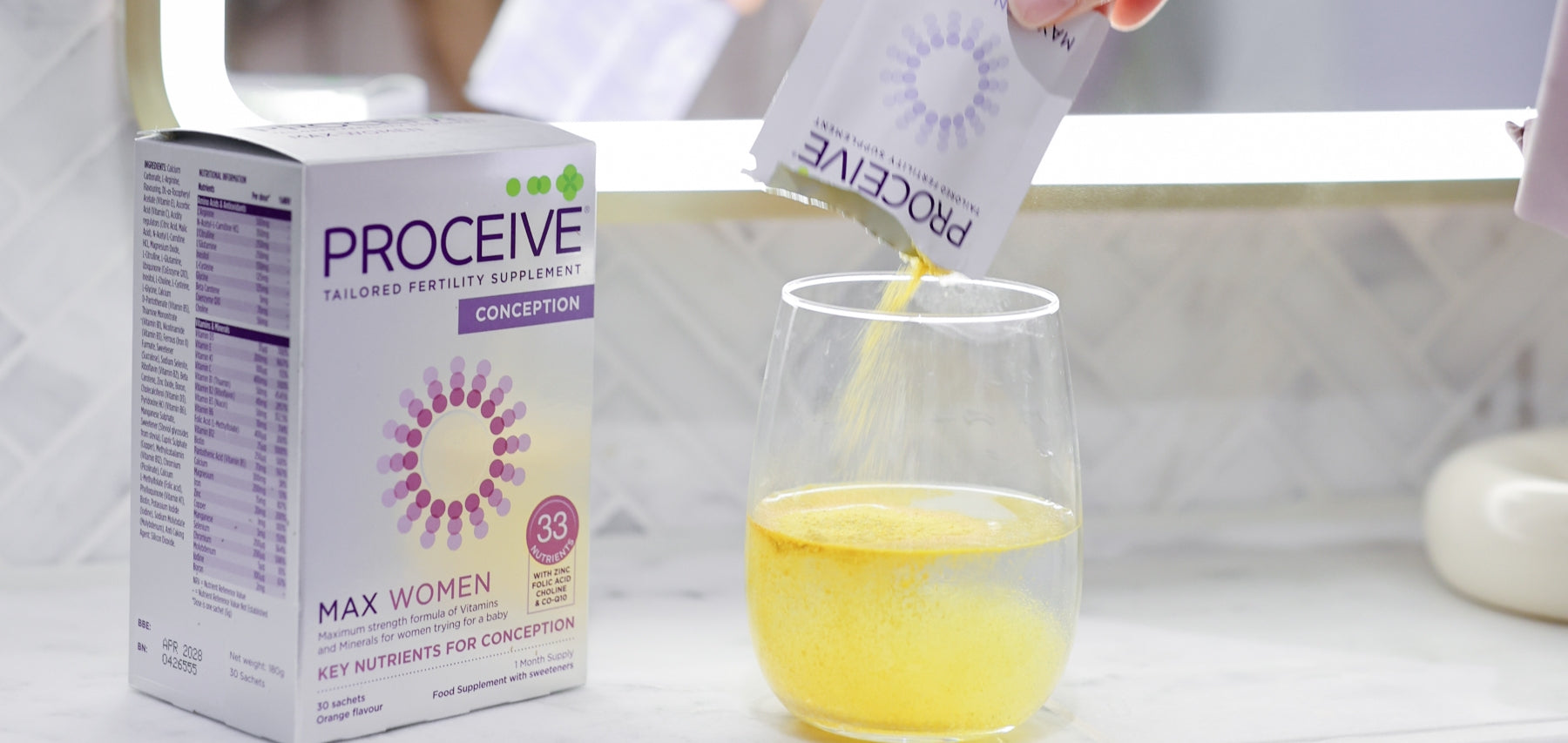
For Healthcare Professionals Only Egg freezing is becoming an increasingly common option for women who want to preserve their fertility, whether due to personal, medical or professional reasons. As healthcare professionals, we have a vital role in supporting patients in the months leading up to their egg freezing cycle – a window where diet, lifestyle and supplementation can positively influence outcomes. The 3-Month Window of Opportunity Oocytes (eggs) take approximately 90 days to mature, providing a key opportunity to influence egg quality through nutritional and lifestyle interventions. Research has shown that adopting a Mediterranean-style diet in this preparatory phase may improve oocyte yield and fertility markers. A study by Karayiannis et al. (2018) found that higher adherence to a Mediterranean diet was associated with a higher number of retrieved and fertilised oocytes in women undergoing IVF. This dietary pattern – rich in antioxidant-rich fruits and vegetables, healthy fats, whole grains and plant proteins – may improve reproductive outcomes by reducing oxidative stress and improving insulin sensitivity. Prenatal Supplements for Egg Freezing In addition to dietary changes, introducing a high-quality prenatal supplement during this 3-month window can play an important supportive role. Antioxidants such as vitamin E, vitamin C, selenium and zinc contribute to the protection of oocytes from oxidative damage. Oxidative stress is known to negatively impact both oocyte quality and quantity. Emerging research also suggests that micronutrient supplementation may support AMH (anti-Müllerian hormone) levels, which are often used as a marker of ovarian reserve.  When recommending supplements, consider formulations that are: Comprehensive, addressing fertility-specific needs rather than general health Bioavailable, using active nutrient forms Backed by clinical evidence, with optimal levels of antioxidant nutrients and amino acids Proceive® Women and Proceive® Max Women are two examples of targeted formulations developed specifically for reproductive health. Proceive® Max Women, in powder form, delivers enhanced levels of vitamin C and E, key nutrients that contribute to cell protection from oxidative stress. Lifestyle Habits That Support Egg Freezing Outcomes Several modifiable lifestyle behaviours are linked to egg quality and ovarian response: Daily movement improves insulin sensitivity and hormone regulation  Smoking cessation is critical; tobacco is associated with reduced AMH and poor IVF outcomes  Limiting alcohol intake is advisable; even moderate alcohol has been linked to reduced fertility outcomes Avoiding endocrine-disrupting chemicals (EDCs) – including BPA and phthalates – may protect ovarian reserve  Managing stress may help with adherence to treatment protocols and overall wellbeing Supporting Your Patients As egg freezing becomes more mainstream, healthcare professionals are in a unique position to guide patients in evidence-based preparation. Nutritional optimisation, quality supplementation and positive lifestyle choices in the months before egg retrieval can help improve both the number and quality of eggs collected – giving patients the best possible foundation for future fertility. References Agarwal A, Gupta S, Sharma RK. Role of oxidative stress in female reproduction. Reprod Biol Endocrinol. 2005 Jul 14;3:28. doi: 10.1186/1477-7827-3-28. PMID: 16018814; PMCID: PMC1215514. Broekmans FJ, Kwee J, Hendriks DJ, Mol BW, Lambalk CB. A systematic review of tests predicting ovarian reserve and IVF outcome. Hum Reprod Update. 2006 Nov-Dec;12(6):685-718. doi: 10.1093/humupd/dml034. Epub 2006 Aug 4. PMID: 16891297. EFSA NDA Panel, Vitamin E and protection of DNA, proteins and lipids from oxidative damage: evaluation of a health claim pursuant to Article 14 of Regulation (EC) No 1924/2006 Freour T, Masson D, Mirallie S, Jean M, Bach K, Dejoie T, Barriere P. Active smoking compromises IVF outcome and affects ovarian reserve. Reprod Biomed Online. 2008 Jan;16(1):96-102. doi: 10.1016/s1472-6483(10)60561-5. PMID: 18252054. Karayiannis D, Kontogianni MD, Mendorou C, Mastrominas M, Yiannakouris N. Adherence to the Mediterranean diet and IVF success rate among non-obese women attempting fertility. Hum Reprod. 2018 Mar 1;33(3):494-502. doi: 10.1093/humrep/dey003. PMID: 29390148. Mínguez-Alarcón L, Chavarro JE, Gaskins AJ. Caffeine, alcohol, smoking, and reproductive outcomes among couples undergoing assisted reproductive technology treatments. Fertil Steril. 2018 Sep;110(4):587-592. doi: 10.1016/j.fertnstert.2018.05.026. PMID: 30196942; PMCID: PMC11002791.

Learn more
The Role of Selenium in Male Fertility: A HCP Perspective

The Role of Selenium in Male Fertility: A HCP Perspective

For Healthcare Professionals Only Fertility discussions often begin with a focus on female reproductive health, yet it is now well established that male factors contribute to approximately 50% of all infertility cases. Male fertility is not a static metric; it can fluctuate based on a variety of biological and environmental influences. As healthcare professionals, it’s essential to recognise the dynamic nature of spermatogenesis and the critical role that nutrition, particularly selenium, can play in supporting sperm health. Sperm Health Is Not Fixed Sperm is produced in a continuous cycle, with a full spermatogenic cycle taking approximately 74 days. This means the sperm profile can vary significantly over time. While a semen analysis might show normal parameters at one point, a new cohort of sperm formed in the following months may present differently, especially if there are ongoing lifestyle or environmental challenges. Semen analysis typically assesses concentration, motility, morphology, and DNA integrity. Even when basic parameters appear within normal ranges, subclinical oxidative stress can still impair sperm function and compromise fertility outcomes. Moreover, studies have shown a correlation between abnormal semen parameters and an increased risk of miscarriage, highlighting the importance of sperm quality in early embryonic development and pregnancy viability [1]. The Impact of Stress and Lifestyle Psychological stress is another important variable. It is now understood that stress can negatively affect both male and female fertility, and its impact on male reproductive hormones and spermatogenesis is well documented [2]. Modifiable lifestyle factors including diet, smoking, alcohol intake, body weight, and exposure to environmental toxins are all critical considerations when supporting men trying to conceive. Nutrition and Sperm Health: The Role of Selenium Selenium is an essential trace mineral with powerful antioxidant properties, and it plays a particularly important role in male reproductive physiology. It is required for the formation and function of selenoproteins, many of which are involved in protecting sperm from oxidative damage during spermatogenesis. Key Mechanisms of Action Antioxidant protection: Sperm membranes are rich in polyunsaturated fatty acids, making them especially vulnerable to oxidative stress. Selenium is a cofactor for glutathione peroxidase, an enzyme that helps prevent lipid peroxidation in sperm cells. Spermatogenesis: Selenium supports the differentiation and maturation of spermatogonia into motile, morphologically normal sperm. Deficiency has been linked to reduced sperm count, poor motility, and impaired morphology [3]. Environmental protection: Selenium may also offer protection against reproductive toxicity induced by heavy metals such as cadmium and lead, which are known to disrupt testicular function. Dietary Sources and Supplementation Selenium is found in a range of foods including seafood, lean meats, grains, onions, garlic, and Brazil nuts. Brazil nuts are especially rich in selenium, with just 4–6 nuts daily providing well over the recommended daily intake. While food-first strategies are ideal, supplementation may be appropriate for men with documented deficiency or those undergoing fertility treatment. Combining selenium with other antioxidants, most notably vitamin E, has shown synergistic effects in improving sperm motility and reducing DNA fragmentation in several clinical studies. Clinical Recommendations Preconception timing: Encourage men to optimise their nutrition at least 3 months prior to conception attempts to support the full cycle of spermatogenesis. Dietary intake: Advise the inclusion of selenium-rich foods in the daily diet, particularly Brazil nuts (with attention to portion control to avoid excess intake). Supplementation: Consider supplementation in those with inadequate dietary intake, especially when semen parameters are suboptimal or oxidative stress is suspected. Lifestyle support: Address smoking cessation, stress management, and environmental toxin avoidance alongside nutritional interventions. Conclusion Sperm health is a dynamic and sensitive marker of male reproductive function. Optimising preconception nutrition, particularly through adequate selenium intake, is a simple but impactful strategy to support male fertility. For HCPs, integrating nutritional assessment and advice into fertility care can significantly enhance patient outcomes improving not only the chances of conception but also the health of the future child. References Aitken RJ, Smith TB, Jobling MS, Baker MA, De Iuliis GN. Oxidative stress and male reproductive health. Asian J Androl. 2014 Jan-Feb;16(1):31-8. doi: 10.4103/1008-682X.122203. PMID: 24369131; PMCID: PMC3901879. Janevic T, Kahn LG, Landsbergis P, Cirillo PM, Cohn BA, Liu X, Factor-Litvak P. Effects of work and life stress on semen quality. Fertil Steril. 2014 Aug;102(2):530-8. doi: 10.1016/j.fertnstert.2014.04.021. Epub 2014 May 23. PMID: 24856463; PMCID: PMC4382866. Hawkes WC, Turek PJ. Effects of dietary selenium on sperm motility in healthy men. J Androl. 2001 Sep-Oct;22(5):764-72. PMID: 11545288.

Learn more
Supporting Male Patients: Optimising Sperm Quality Through Nutrition, Lifestyle, and Supplementation

Supporting Male Patients: Optimising Sperm Quality Through Nutrition, Lifestyle, and Supplementation

For Healthcare Professionals Only  While fertility discussions often focus on women, male reproductive health is just as critical especially given that sperm take approximately 74 days to develop. This provides a three-month window for meaningful dietary and lifestyle intervention (Agarwal et al., 2014). 1. Adopt a Mediterranean-Style Dietary Pattern Numerous studies have linked a Mediterranean-style dietary pattern with improved sperm quality. This diet is rich in vegetables, fruits, whole grains, legumes, fish, olive oil, and nuts, and has been shown to enhance sperm concentration, motility, morphology, and total count (Karayiannis et al., 2018; Salas-Huetos et al., 2018). A systematic review published in Human Reproduction Update confirmed that adherence to this dietary pattern correlates with better semen parameters, likely due to its antioxidant and anti-inflammatory properties (Salas-Huetos et al., 2018). 2. Minimise Alcohol and Ultra-Processed Foods Excessive alcohol consumption has been associated with reduced testosterone levels and impaired spermatogenesis (Jensen et al., 2014). Additionally, diets high in ultra-processed foods such as refined snacks, sugary drinks, and processed meats are linked to inflammation and poorer semen quality (Chavarro et al., 2009; Nassan et al., 2018). Encouraging patients to reduce intake of these foods and prioritise whole, nutrient-dense options may yield measurable improvements in sperm parameters over time. 3. Reduce Oxidative Stress Through Antioxidant Support Oxidative stress is a leading cause of sperm dysfunction, contributing to DNA fragmentation, poor motility, and reduced fertilisation potential (Agarwal et al., 2014). Antioxidants such as vitamins C and E, selenium, zinc, CoQ10, and glutathione are known to mitigate oxidative damage to sperm. A meta-analysis of antioxidant supplementation in men with subfertility found significant improvements in sperm motility and DNA integrity (Showell et al., 2014). These nutrients can be obtained from both food and supplementation, depending on the patient's baseline diet and needs. 4. Address Weight, Stress, and Lifestyle Habits Obesity is associated with hormonal imbalances, increased scrotal temperature, and elevated oxidative stress, all of which negatively affect sperm quality (Palmer et al., 2012). Supporting patients in achieving a healthy weight through diet and exercise can improve reproductive outcomes. Stress may also play a role by disrupting the hypothalamic–pituitary–gonadal axis, leading to altered testosterone levels and reduced sperm production (Eskiocak et al., 2006). Incorporating sleep hygiene, physical activity, and stress management techniques may support overall hormonal health. Smoking cessation is another crucial intervention. Tobacco exposure is directly associated with reduced sperm count and increased DNA fragmentation (Sharma et al., 2016). 5. Consider Targeted Supplementation While diet forms the foundation of fertility health, supplementation may help optimise nutrient intake, particularly for nutrients shown to support sperm development and function. A well-formulated male fertility supplement should include key antioxidants (vitamins C and E, selenium), zinc, L-carnitine, CoQ10, and essential amino acids. Randomised controlled trials have shown that supplementation with these nutrients may improve sperm count, motility, morphology, and reduce DNA fragmentation (Gual-Frau et al., 2015; Buscemi et al., 2019).   Conclusion With a three-month spermatogenesis cycle, men have a clear opportunity to positively influence their fertility outcomes. Healthcare professionals can support male patients by recommending evidence-based diet and lifestyle changes, addressing modifiable risk factors, and guiding supplement use where appropriate. Small, consistent changes can yield significant reproductive benefits and may also contribute to overall health and wellbeing. References Agarwal, A., Mulgund, A., Hamada, A., & Chyatte, M. R. (2015). A unique view on male infertility around the globe. Reproductive Biology and Endocrinology, 13(1), 37. Buscemi, L., et al. (2019). Effect of antioxidant therapy on sperm quality: meta-analysis of clinical trials. Andrology, 7(4), 446–456. Chavarro, J. E., et al. (2009). Diet and lifestyle in the prevention of ovulatory disorder infertility. Obstetrics and Gynecology, 113(5), 1050–1056. Eskiocak, S., et al. (2006). Effect of psychological stress on the L-arginine-nitric oxide pathway and semen quality. Brazilian Journal of Medical and Biological Research, 39(5), 581–588. Gual-Frau, J., et al. (2015). Antioxidant treatment and assessment of sperm DNA fragmentation in infertile men. Journal of Assisted Reproduction and Genetics, 32(4), 465–472. Jensen, T. K., et al. (2014). Habitual alcohol consumption associated with reduced semen quality and changes in reproductive hormones. BMJ Open, 4(9), e005462. Karayiannis, D., et al. (2018). Adherence to the Mediterranean diet and IVF success rate among non-obese women. Human Reproduction, 33(3), 494–502. Nassan, F. L., et al. (2018). Dietary patterns and semen quality in young men. Human Reproduction, 33(1), 120–131. Palmer, N. O., et al. (2012). Diet and exercise in the management of obesity-related male infertility. Human Fertility, 15(4), 245–253. Salas-Huetos, A., Bulló, M., & Salas-Salvadó, J. (2018). Dietary patterns, foods and nutrients in male fertility parameters and fecundability: a systematic review of observational studies. Human Reproduction Update, 24(1), 100–123. Sharma, R., Biedenharn, K. R., Fedor, J. M., & Agarwal, A. (2016). Lifestyle factors and reproductive health: taking control of your fertility. Reproductive Biology and Endocrinology, 11(1), 66. Showell, M. G., Brown, J., Yazdani, A., Stankiewicz, M. T., & Hart, R. J. (2014). Antioxidants for male subfertility. Cochrane Database of Systematic Reviews, (12).

Learn more
Iodine Deficiency in Pregnancy

Iodine Deficiency in Pregnancy

For Healthcare Professionals OnlyA 2025 study from University College Cork (UCC) has found that 60% of pregnant women had suboptimal iodine status, a concerning figure given iodine’s central role in reproductive and foetal health. The findings, published in the European Journal of Nutrition, assessed urinary iodine concentration (UIC) data from over 1,500 first-time mothers attending Cork University Maternity Hospital.¹ The average UIC was 125 µg/L, falling below the World Health Organization’s recommended threshold of ≥150 µg/L during pregnancy, suggesting iodine insufficiency.² While two-thirds of participants reported using a pregnancy supplement, the majority remained below optimal levels highlighting gaps in dosage, formulation, or dietary intake.   The Role of Iodine in Reproductive Health Iodine is a key component of the thyroid hormones triiodothyronine (T3) and thyroxine (T4), which regulate metabolism and are essential for reproductive health. Even mild iodine deficiency can impair thyroid function, which has been linked to reduced fertility, irregular menstrual cycles, and a higher risk of miscarriage. Thyroid hormones closely interact with the hypothalamic-pituitary-gonadal (HPG) axis, which governs ovulation, menstrual regulation, and sex hormone production. When iodine intake is insufficient, thyroid hormone production is compromised, disrupting these delicate hormonal interactions and potentially impairing conception.   Critical in Early Pregnancy During the first trimester, the developing foetus relies entirely on maternal thyroid hormones to support the formation of the brain and spinal cord. If the mother is iodine deficient, this demand may not be met, putting early development at risk. By the time pregnancy is confirmed, organogenesis (organ formation) is already well underway, making preconception iodine status critically important. Unlike some nutrients, iodine is not stored in large reserves. It must be consumed regularly via diet or supplementation to maintain adequate levels. Building iodine stores before conception supports ovulatory health, hormonal balance, and the body’s ability to respond to the increased physiological demands of early pregnancy.   How Proceive® Supports Iodine Needs Both Proceive® Conception and Pregnancy formulations contain iodine, supporting the production of maternal thyroid hormones and helping to meet the demands of both reproductive health and foetal development. Proceive® also delivers a wide spectrum of high-strength, bioavailable nutrients, tailored for the pre-conception period and each trimester of pregnancy. With no fillers or unnecessary additives, Proceive® offers a considered, high-quality option for women planning or expecting a baby.   Conclusion The UCC findings highlight a significant public health gap: iodine deficiency continues to affect a majority of pregnant women, despite supplement use. For healthcare professionals supporting patients through preconception and pregnancy, ensuring adequate iodine intake through diet and supplementation remains a key step in optimising pregnancy outcomes.   References UCC News, 2025. 60% of pregnant women show signs of iodine deficiency. https://www.ucc.ie/en/news/2025/60-of-pregnant-women-in-irish-study-show-signs-of-iodine-deficiency-ucc-research-finds.html WHO, 2007. Assessment of Iodine Deficiency Disorders and Monitoring their Elimination. WHO/NHD/01.1 Zimmermann MB. (2009). Iodine deficiency. Endocrine Reviews, 30(4), 376–408. Bath SC et al. (2013). Maternal iodine status and IQ of offspring: a UK cohort study. The Lancet, 382(9889), 331–337. Bath SC et al. (2017). Iodine deficiency in the UK – A growing concern? Nutrition Bulletin, 42, 206–216. Glinoer D. (2001). Pregnancy and iodine. Thyroid, 11(5), 471–481. WHO/UNICEF/ICCIDD (2007). Iodine deficiency in pregnancy: public health strategies. EFSA Panel on Dietetic Products (2014). Scientific Opinion on Dietary Reference Values for Iodine. EFSA Journal 2014;12(10):3660.

Learn more
The Oral Contraceptive Pill and Nutritional Status: Implications for Preconception Care

The Oral Contraceptive Pill and Nutritional Status: Implications for Preconception Care

For Healthcare Professionals Only As healthcare professionals, you will often work with patients preparing to conceive after coming off the oral contraceptive pill (OCP). While fertility concerns are frequently raised, a less recognised but clinically important issue is the impact of long-term OCP use on nutritional status and the implications this has for reproductive health and pregnancy outcomes. Micronutrient Depletion Associated with OCP Use Evidence indicates that oral contraceptive use is associated with reduced levels of several essential micronutrients, including folate, vitamins B6 and B12, vitamin C, magnesium, and zinc (Beal et al., 2023; Whelan et al., 2009). These nutrients are essential for ovulatory function, hormone synthesis, egg quality and foetal development. For example, folate is critical for neural tube development while zinc plays a key role in DNA synthesis and cell division. Given the metabolic demands of conception and early pregnancy, patients coming off the pill may not be starting from a position of optimal nutritional status particularly if their diet has been suboptimal. Supporting nutrient repletion in the preconception phase is therefore a key part of holistic care. Repletion Through Diet and Supplementation While a nutrient-rich, whole-food diet remains foundational, supplementation can play an important role especially if conception is desired in the near term. A comprehensive preconception multivitamin such as Proceive® Women can help restore nutritional adequacy. The product contains the recommended 400 mcg of folic acid (as folate or methylfolate) along with other nutrients commonly depleted by the pill. Unmasking Underlying Reproductive Health Issues It’s important to distinguish nutrient-related concerns from cases where the OCP has been masking an underlying condition such as PCOS, hypothalamic amenorrhea, or endometriosis. These conditions can go undetected while the pill is in use and often only emerge after discontinuation. This may lead to delayed diagnosis and a misperception that the pill itself caused fertility difficulties (Tata et al., 2005). Where post-pill amenorrhea, irregular cycles, or pelvic symptoms are present, early assessment and management is essential. Support for Hormone Clearance Post-OCP After stopping the pill, the body’s detoxification pathways particularly liver and gut function are responsible for metabolising and eliminating residual hormones. Fibre, especially from cruciferous vegetables like broccoli, kale, and cauliflower, supports oestrogen metabolism and clearance through the bowel (Fuhrman & Ferreri, 2010; NIH ODS, 2023). Healthy bowel motility is also crucial; hormones such as oestrogen are excreted in the stool, and sluggish transit can contribute to hormonal imbalance. Preconception Care Recommendations For patients who have recently stopped the OCP and are planning to conceive, consider recommending: A Mediterranean-style diet high in fibre, healthy fats, and antioxidants (Stephenson et al., 2018) Omega-3 supplementation if oily fish is not consumed regularly (Proceive® Pre-conception Omega-3) A high-quality preconception multivitamin for both partners (Proceive® Women/Men) Regular physical activity and stress reduction strategies Monitoring and managing bowel health to support hormone clearance Early assessment of menstrual irregularities or subfertility concerns These simple, evidence-informed strategies can help optimise a patient’s reproductive health and improve pregnancy outcomes.   References Beal JL, et al. (2023). The Impact of Oral Contraceptive Use on Nutrient Status: A Review. Nutrients, 15(4), 879. https://doi.org/10.3390/nu15040879 Whelan AM, et al. (2009). Oral contraceptives and vitamin metabolism. Can Pharm J, 142(4), 200–204. https://doi.org/10.3821/1913-701X-142.4.200 Tata LJ, et al. (2005). Fertility and pregnancy-related outcomes in women with a history of infertility: A population-based study. Hum Reprod, 20(12), 3379–3386. https://doi.org/10.1093/humrep/dei272 Fuhrman J, & Ferreri DM. (2010). Fueling the dietary detoxification pathways. Altern Ther Health Med, 16(2), 44–52. National Institutes of Health (NIH) Office of Dietary Supplements. (2023). Fibre Fact Sheet for Health Professionals. https://ods.od.nih.gov/factsheets/Fiber-HealthProfessional/ Stephenson J, et al. (2018). Before the beginning: nutrition and lifestyle in the preconception period and its importance for future health. Lancet, 391(10132), 1830–1841. https://doi.org/10.1016/S0140-6736(18)30311-8  

Learn more
What is Bioavailability? Understanding Bioavailability in Nutritional Supplements

What is Bioavailability? Understanding Bioavailability in Nutritional Supplements

For Healthcare Professionals Only When it comes to nutritional supplements, what the body absorbs is just as important as what’s on the label. That’s where bioavailability comes in. Bioavailability refers to the amount of a nutrient that is absorbed from the gut (specifically the small intestine), enters the bloodstream, and reaches the cells where it’s needed or is stored for later use. It plays a critical role in determining how effective a supplement really is. A supplement’s benefits don’t just depend on what nutrients it contains—but on how well those nutrients are absorbed and utilised by the body. Why Bioavailability Matters For patients trying to conceive or going through pregnancy, bioavailability can directly impact outcomes. A formulation that delivers nutrients in an easily absorbed form can make the difference between meaningful support and a missed opportunity. It’s an essential consideration when evaluating the therapeutic value of any supplement. The Bioavailability Process Bioavailability involves several key stages: Digestion Absorption Distribution Metabolism Elimination Each stage is influenced by a number of internal and external factors. Let’s explore the main ones that impact how well nutrients are absorbed. Key Factors That Influence Bioavailability 1. Nutrient FormSome forms of nutrients are more easily absorbed than others. For example: Chromium picolinate is more bioavailable than chromium chloride Methylcobalamin (active B12) is better absorbed and tolerated than cyanocobalamin Methylfolate bypasses the conversion process that folic acid requires 2. Supplement FormatThe physical format (whether capsule, sachet, tablet or liquid) can affect how quickly and efficiently the nutrients are released. Proceive® products are available as capsules and sachets, both chosen to support effective nutrient delivery and ease of use. 3. Nutrient InteractionsNutrients don’t work in isolation. Some help with absorption, while others can hinder it. Enhancers: Vitamin C improves non-heme (plant-based) iron absorption Vitamin D supports the absorption of calcium, magnesium and phosphorus A small amount of dietary fat helps absorb fat-soluble nutrients like carotenoids Inhibitors: High zinc intake can reduce the absorption of iron and copper Tannins (found in tea, coffee, red wine) block iron absorption Phytates (found in grains, legumes, nuts) and oxalates (found in spinach, berries, coffee) can reduce mineral absorption When formulating supplements, these interactions matter enhancers and inhibitors can cancel each other out, reducing effectiveness. Proceive® is designed with these interactions in mind. Nutrients are carefully balanced to maximise absorption and minimise interference. 4. Individual VariabilityNutrient absorption is highly individual and influenced by: Age and sex Genetic profile (e.g. MTHFR variants - read more on this here) Gut health and microbiome Pre-existing nutrient levels Chronic illness or inflammation Medication use (e.g. the contraceptive pill may reduce absorption of some nutrients) The Proceive® Approach At Proceive®, bioavailability is at the heart of our formulations. We use high-quality, well-researched nutrient forms that are recognised for their absorbability. No unnecessary fillers or binders, just carefully selected ingredients designed to support your patient’s fertility and pregnancy journey. Proceive® products are delivered in capsules and sachets for ease of use and effective uptake, and every formula is built around what the body can actually absorb and utilise. Clinical Considerations When recommending supplements, it’s worth looking beyond the headline nutrient list. Consider: What form the nutrients are in Whether they interact positively or negatively with one another How well the supplement is likely to be absorbed based on the individual’s health status In fertility and preconception care, timing is critical and so is the form of nutrition. A product designed with bioavailability in mind is more likely to deliver meaningful results. Key Takeaways We are not just what we eat; we are what we absorb and utilise A supplement is only effective if the nutrients reach the body’s cells Proceive® goes further: more nutrients, in forms the body can actually absorb (such as Methylfolate) During conception and pregnancy, the body needs more than just the minimum, we provide optimal levels in bioavailable forms. References H.C. Schönfeldt, B. Pretorius, N. Hall, Bioavailability of Nutrients, Editor(s): Benjamin Caballero, Paul M. Finglas, Fidel Toldrá, Encyclopedia of Food and Health, Academic Press, 2016, Pages 401-406, ISBN 9780123849533. Gibson, R. S. (2007). The Role of Diet- and Host-Related Factors in Nutrient Bioavailability and Thus in Nutrient-Based Dietary Requirement Estimates. Food and Nutrition Bulletin, 28(1_suppl1), S77–S100. Melse-Boonstra A. (2020). Bioavailability of Micronutrients From Nutrient-Dense Whole Foods: Zooming in on Dairy, Vegetables, and Fruits. Frontiers in nutrition, 7, 101.

Learn more
Research: Most Women Are Not Getting the Nutrients They Need for a Healthy Pregnancy

Research: Most Women Are Not Getting the Nutrients They Need for a Healthy Pregnancy

For Healthcare Professionals Only An international study has found that the majority of women are not getting the essential nutrients needed to support a healthy pregnancy and researchers warn the situation could worsen as more people adopt vegetarian or vegan diets. The research, which analysed the vitamin status of 1,729 women in the UK, Singapore and New Zealand, focused on key nutrients typically found in meat and dairy, including vitamins D, B12, B6, folic acid and riboflavin. These nutrients are critical during pregnancy: Folic acid and vitamin B12 help reduce the risk of neural tube defects such as spina bifida Vitamin D supports the immune system and supports healthy bones, teeth, and muscle function Riboflavin plays a role in the development of bones, muscles, and the nervous system in the growing baby Over 90% of the women studied had low or marginal levels of one or more of these vitamins. Many also showed signs of vitamin B6 deficiency by late pregnancy. Professor Keith Godfrey, lead author and professor of epidemiology at the University of Southampton, commented: “The push to reduce our dependence on meat and dairy to achieve net-zero carbon emissions is likely to further deplete expecting mothers of vital nutrients, which could have lasting effects on unborn children.” The Study: Supplementation and Results Participants were divided into two groups: An intervention group of 870 women A control group of 859 women Both groups received a basic supplement containing: 400mcg folic acid 12mg iron 150mg calcium 150mcg iodine 720mcg beta-carotene However, the control group was given a broader micronutrient formula, including: 1.8mg riboflavin 2.6mg vitamin B6 5.2mcg vitamin B12 10mcg vitamin D 10mg zinc Myo-inositol and probiotics Blood samples were collected at four points: pre-conception, early pregnancy, late pregnancy, and six months postpartum. The results? Supplements that included a wider range of vitamins and minerals substantially reduced the prevalence of deficiencies both before and during pregnancy. The researchers concluded that, in high-income countries, where diets are increasingly plant-based and potentially less nutrient-dense, micronutrient supplementation should be more actively considered as part of routine preconception and pregnancy care. “The findings suggest a need to reappraise dietary recommendations for preconception and pregnancy, and to further explore the role of comprehensive multinutrient supplements,” they added. NHS Guidance and Real-World Gaps Current NHS guidance recommends that women trying to conceive take 400mcg folic acid daily from before pregnancy through to 12 weeks, to help reduce the risk of birth defects. A daily vitamin D supplement is also advised. But this new study highlights a broader issue: even among women in high-income countries, widespread nutrient insufficiency is present before pregnancy even begins. Prof Godfrey added: “Our study shows that almost every woman trying to conceive had insufficient levels of one or more vitamin, and this figure is only going to get worse as the world moves towards plant-based diets. People think nutrient deficiency is only an issue in low-income countries - but it’s clearly affecting the majority of women in wealthier nations too.” The study was published in PLOS Medicine and led by researchers from the University of Southampton, with support from the NIHR Biomedical Research Centre, the University of Auckland, National University of Singapore, and Singapore’s Agency for Science, Research and Technology.

Learn more
Folic Acid vs. Folate: What’s the Difference and Why It Matters for Your Patients

Folic Acid vs. Folate: What’s the Difference and Why It Matters for Your Patients

What’s the Difference and Why It Matters for Your Patients.

Learn more