
Understanding egg health is an important part of the fertility journey. This article explores how eggs age naturally, what egg quality means, and how everyday nutrition and lifestyle habits can support reproductive wellbeing. It also looks at positive changes women can make when preparing for pregnancy, including the role of micronutrients and targeted pre‑conception support.
Do Eggs Age?
Women are born with all the eggs they will ever have, and the body does an incredible job of protecting and nurturing them over time. While eggs naturally age along with the rest of the body, many women go on to conceive and have healthy pregnancies at different stages of life. The female body is designed to carefully select the strongest egg each month, supporting the natural process of ovulation and giving each cycle a fresh opportunity for conception.
Is It Ever Too Old?
Every woman’s fertility journey is unique. While fertility naturally changes over time, many women today are choosing to start their families later and experiencing positive pregnancy outcomes. With advances in healthcare, greater awareness of nutrition and lifestyle, and supportive medical care when needed, women have more knowledge and resources than ever before to help them on their path to motherhood.
Foods That Support Egg Health
There is no single “miracle” food that creates the perfect egg, but the good news is that many everyday healthy foods help support reproductive wellbeing. A balanced diet rich in colourful fruits and vegetables, whole grains, healthy fats and quality proteins helps nourish the body and create a supportive environment for egg development. Rather than focusing on one food, it’s the overall pattern of healthy eating that can make the biggest difference.
Understanding Egg Quality
Egg quality refers to whether an egg is genetically healthy and capable of developing into a healthy pregnancy. While age can influence egg quality, the body is remarkably resilient and continues to support egg development each month. Lifestyle factors such as balanced nutrition, regular movement, good sleep and stress management all help support overall reproductive health. With each menstrual cycle, the body naturally works to release the healthiest egg available.
Lifestyle Changes to Support Fertility
Preparing for pregnancy can be a positive and empowering time to focus on your health and wellbeing. Simple lifestyle habits such as stopping smoking, reducing alcohol intake, eating a nourishing diet and managing stress can all support fertility and egg health.
Micronutrients and Pre‑Conception Support
Micronutrients play an important role in the development of healthy eggs and the early stages of pregnancy. A varied, balanced diet helps provide the body with essential vitamins and minerals, while some women choose to complement their nutrition with targeted supplements during the pre-conception stage.
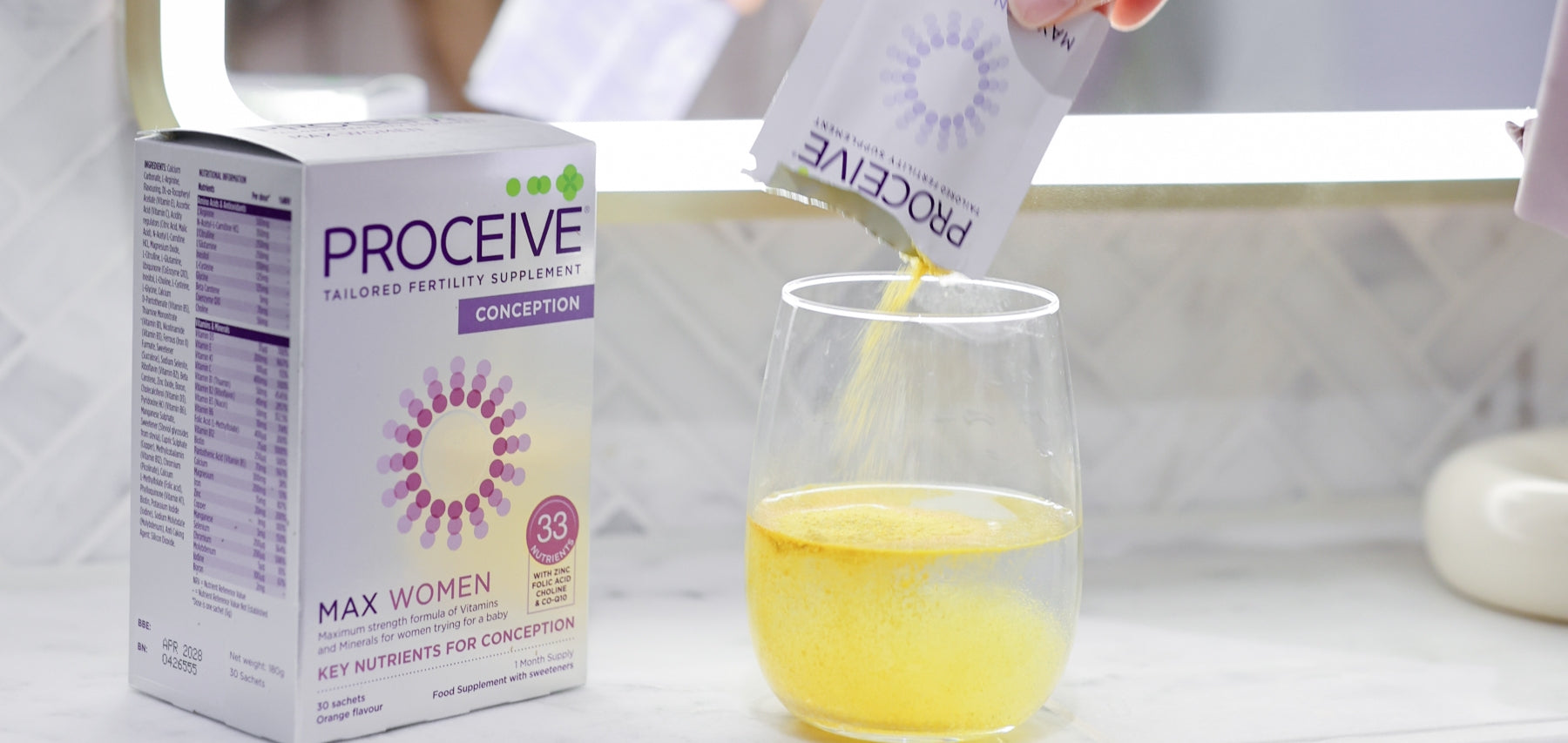
For example, Proceive Women contains 28 carefully selected vitamins, minerals and nutrients designed to support female fertility and pre-conception health. Proceive Max Women offers an enhanced formulation with 33 amino acids, vitamins and minerals to help provide additional nutritional support when preparing the body for pregnancy.
By focusing on nourishing the body, supporting overall wellbeing and embracing positive lifestyle habits, women can feel confident that they are creating the best possible foundation for their fertility journey.
Frequently Asked Questions
-
Do eggs naturally age over time?
Yes, eggs age naturally throughout a woman’s life, but the body protects them and selects the strongest egg each month to support ovulation.
-
Can women have healthy pregnancies later in life?
Many women choose to start families later and experience positive outcomes, supported by modern healthcare, nutrition and lifestyle awareness.
-
Is there a single food that improves egg quality?
No specific food creates the “perfect” egg, but a balanced diet rich in fruits, vegetables, whole grains, proteins and healthy fats supports reproductive health.
-
What is egg quality?
Egg quality refers to whether an egg is genetically healthy and capable of developing into a pregnancy. Lifestyle factors play an important supportive role.
-
What lifestyle changes can support fertility?
Healthy habits such as stopping smoking, reducing alcohol, eating well, moving regularly, sleeping well and managing stress help support egg health.
-
How do micronutrients support egg development?
Micronutrients help support egg development and early pregnancy. Some women choose targeted supplements during the pre-conception stage.