
Skip to content

Our HCP Blog is for Healthcare Professionals Only

If you are not a Health Care Professional, please visit the main Proceive blog here

HCP Blog

PMOS Changes the Approach to Fertility and Pregnancy Nutritional Support PMOS Changes the Approach to Fertility and Pregnancy Nutritional Support

PMOS Changes the Approach to Fertility and Pregnancy Nutritional Support

The shift from PCOS to PMOS reflects a broader understanding of fertility as a metabolic and endocrine condition. Discover why nutrition and metabolic health are becoming central to fertility and pregnancy support.

Learn more
Why Nutrient Synergy Matters in Prenatal and Preconception Nutrition - HCP Blog Why Nutrient Synergy Matters in Prenatal and Preconception Nutrition - HCP Blog

Why Nutrient Synergy Matters in Prenatal and Preconception Nutrition

Nutrients don’t work alone. Discover why nutrient synergy is essential for fertility and pregnancy, and how a holistic prenatal approach supports optimal outcomes.

Learn more
Global Micronutrient Deficiencies: An Overlooked Factor in Fertility and Pregnancy Challenges Global Micronutrient Deficiencies: An Overlooked Factor in Fertility and Pregnancy Challenges

Global Micronutrient Deficiencies: An Overlooked Factor in Fertility and Pregnancy Challenges

Micronutrient deficiencies affect billions globally, including women in developed countries. These hidden gaps play a critical role in fertility, pregnancy health and outcomes.

Learn more
Omega 3 During Pregnancy: Why Intake Matters

Omega 3 During Pregnancy: Why Intake Matters

Research increasingly shows that Omega 3 plays a key role in healthy pregnancy outcomes. Learn why adequate DHA and EPA intake matters for both mother and baby.

Learn more
Omega 3 and Chances of Conception

Omega 3 and Chances of Conception

Omega 3 fatty acids play a key role in reproductive health, influencing hormone signalling, inflammation and conception likelihood. This article explores their importance during the pre‑conception phase.

Learn more

Ovarian Reserve: Quality Over Quantity

Ovarian Reserve: Quality Over Quantity

Ovarian reserve reflects more than egg quantity, with quality and environment playing a key role in fertility outcomes.Explore how AMH, AFC, nutrition and lifestyle may support reproductive health.

Learn more
Coenzyme Q10: Powering Fertility

Coenzyme Q10: Powering Fertility

Coenzyme Q10 (CoQ10) plays a key role in energy production and antioxidant protection, both essential for reproductive health.Emerging evidence highlights its potential to support egg quality, sperm function, and overall fertility outcomes.

Learn more
Nutrition for PCOS: Guidance for Healthcare Professionals

Nutrition for PCOS: Guidance for Healthcare Professionals

For Healthcare Professionals Only What is Polycystic Ovarian Syndrome (PCOS)?  PCOS is one of the most common endocrine disorders in women, affecting around 1 in 5 of child-bearing age. It is a varied condition with a wide spectrum of clinical presentations. Typical features may include:  Irregular or absent menstrual cycles  Acne  Ovarian cysts (detected on ultrasound)  Obesity or difficulty managing weight  Infertility  Hirsutism (excess hair on the face and body)  Not every patient will present with all features, which can make diagnosis challenging.   What Causes PCOS?  PCOS is an insulin resistance syndrome. In affected women, this means the body is ignoring the insulin it normally produces.  When this happens, the body produces more and more insulin, leading to high overall insulin levels.  Persistently elevated insulin can:  Contribute to weight gain, which is common in PCOS  Cause the ovaries to produce more testosterone than normal  The high level of testosterone can trigger a reaction in the body that can disrupt ovulatory function, contributing to irregular cycles and the development of ovarian cysts.  The Role of Nutrition and Lifestyle  Low Glycaemic Index (GI) Diet Dietary management is a cornerstone of PCOS care. A low GI diet can help reduce insulin resistance by stabilising blood glucose levels. Carbohydrates with a lower GI produce smaller glucose rises, minimising insulin secretion and supporting hormonal balance.  Key recommendations include:  Emphasising wholegrains, legumes, vegetables, and high-fibre foods  Reducing intake of refined carbohydrates and added sugars  Aiming for a balanced, sustainable diet with an optimal BMI (18.5–25)  Exercise Regular physical activity enhances insulin sensitivity and is recommended for all women with PCOS, regardless of BMI. Both aerobic and resistance training can provide metabolic and reproductive benefits.   Supplementation: The Role of Myo-Inositol  Beyond diet and lifestyle, evidence supports a role for specific supplementation in managing PCOS.  Myo-Inositol, a naturally occurring compound, has been shown to:  Improve insulin sensitivity  Support ovarian function and restore ovulation in some patients  Lower circulating androgen levels, which may reduce acne and hirsutism  Enhance oocyte quality, with potential implications for fertility outcomes  Supplementation with myo-inositol is generally well tolerated and can be considered as an adjunct to dietary and lifestyle interventions. Other nutrients such as vitamin D and folic acid are also important.    Summary for HCPs  PCOS is a multifactorial condition with insulin resistance at its core. Nutrition and lifestyle modification remain the first line of management, with low GI dietary approaches and regular exercise central to improving metabolic and reproductive outcomes. Supplementation, particularly with myo-inositol, may provide additional benefit in improving ovulation, reducing hyperandrogenic symptoms, and supporting fertility. 

Learn more
Supporting Female patients: Enhancing Egg Quality Through Nutrition, Lifestyle, and Supplementation

Supporting Female patients: Enhancing Egg Quality Through Nutrition, Lifestyle, and Supplementation

For Healthcare Professionals Only Age is the strongest factor influencing egg quality, but it is not the only one. Nutrition, lifestyle, and targeted supplementation can all impact oocyte development and because eggs take around three months to mature before ovulation, this window offers an opportunity for meaningful intervention.  Why Egg Quality Matters  Egg quality is central to fertility, affecting fertilisation, embryo development, and the likelihood of a healthy pregnancy. With age, eggs naturally become more prone to oxidative damage and chromosomal errors. While age itself cannot be modified, optimising the environment in which eggs mature can make a difference to outcomes.  Nutrition and Lifestyle Interventions  Balanced diet with a focus on low GI foods  Stabilising blood glucose and insulin is important, even outside of PCOS.  A diet rich in wholegrains, vegetables, legumes, lean proteins, and healthy fats helps keep insulin levels steady and supports hormone balance.  Antioxidant-rich foods  Eggs are sensitive to oxidative stress, which can impair DNA and mitochondrial function.  Encourage patients to eat a wide variety of colourful fruits and vegetables, along with nuts and seeds, to boost antioxidant intake.  Exercise  Regular physical activity helps improve insulin sensitivity and circulation, which may benefit ovarian health.  A combination of aerobic and strength-based activity is recommended.  Stress and sleep  High stress levels and poor sleep can affect the hypothalamic–pituitary–ovarian axis, disrupting hormone regulation.  Support patients to prioritise good sleep hygiene and consider stress-reduction techniques such as mindfulness or yoga.  Lifestyle risks  Smoking, excessive alcohol, and high caffeine intake can negatively impact egg quality.  Reducing or eliminating these exposures can improve the overall reproductive environment.  The Role of Supplementation  Alongside diet and lifestyle, specific supplements may support egg quality and overall reproductive health:  Folic acid – essential for DNA synthesis and universally recommended preconception. At Proceive we use the methylated form, L-methylfolate for increased absorption.    Vitamin D – important for reproductive health and immune function; deficiencies are very common.  Omega-3 fatty acids – help reduce inflammation and support cell membrane function.  Coenzyme Q10 (CoQ10) – may support mitochondrial energy production, particularly relevant for egg development.  Antioxidants (vitamins C & E, selenium, zinc) – help reduce oxidative stress, which is a key contributor to egg ageing.  Practical Takeaway for HCPs  Egg quality is strongly influenced by age, but it is also shaped by nutrition, lifestyle, and supplementation. With a 90-day maturation period before ovulation, women have a window to make meaningful changes that can positively influence reproductive outcomes. Guiding patients towards a balanced diet, regular activity, stress management, and appropriate supplementation can help create a healthier environment for egg development and improve their chances of conception. 

Learn more
Supporting Patients Preparing for Egg Freezing: The Role of Nutrition, Supplements and Lifestyle

Supporting Patients Preparing for Egg Freezing: The Role of Nutrition, Supplements and Lifestyle

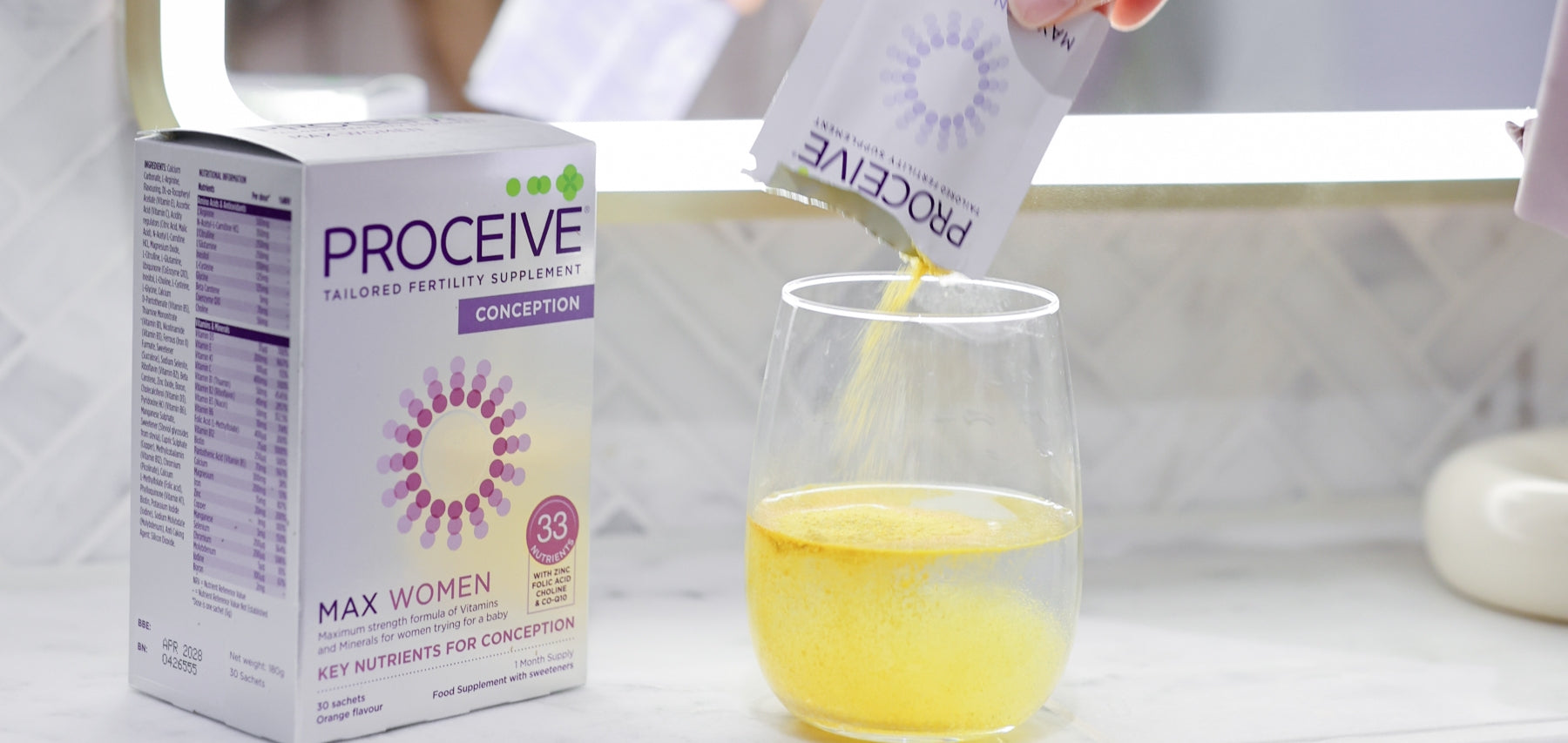
For Healthcare Professionals Only Egg freezing is becoming an increasingly common option for women who want to preserve their fertility, whether due to personal, medical or professional reasons. As healthcare professionals, we have a vital role in supporting patients in the months leading up to their egg freezing cycle – a window where diet, lifestyle and supplementation can positively influence outcomes. The 3-Month Window of Opportunity Oocytes (eggs) take approximately 90 days to mature, providing a key opportunity to influence egg quality through nutritional and lifestyle interventions. Research has shown that adopting a Mediterranean-style diet in this preparatory phase may improve oocyte yield and fertility markers. A study by Karayiannis et al. (2018) found that higher adherence to a Mediterranean diet was associated with a higher number of retrieved and fertilised oocytes in women undergoing IVF. This dietary pattern – rich in antioxidant-rich fruits and vegetables, healthy fats, whole grains and plant proteins – may improve reproductive outcomes by reducing oxidative stress and improving insulin sensitivity. Prenatal Supplements for Egg Freezing In addition to dietary changes, introducing a high-quality prenatal supplement during this 3-month window can play an important supportive role. Antioxidants such as vitamin E, vitamin C, selenium and zinc contribute to the protection of oocytes from oxidative damage. Oxidative stress is known to negatively impact both oocyte quality and quantity. Emerging research also suggests that micronutrient supplementation may support AMH (anti-Müllerian hormone) levels, which are often used as a marker of ovarian reserve.  When recommending supplements, consider formulations that are: Comprehensive, addressing fertility-specific needs rather than general health Bioavailable, using active nutrient forms Backed by clinical evidence, with optimal levels of antioxidant nutrients and amino acids Proceive® Women and Proceive® Max Women are two examples of targeted formulations developed specifically for reproductive health. Proceive® Max Women, in powder form, delivers enhanced levels of vitamin C and E, key nutrients that contribute to cell protection from oxidative stress. Lifestyle Habits That Support Egg Freezing Outcomes Several modifiable lifestyle behaviours are linked to egg quality and ovarian response: Daily movement improves insulin sensitivity and hormone regulation  Smoking cessation is critical; tobacco is associated with reduced AMH and poor IVF outcomes  Limiting alcohol intake is advisable; even moderate alcohol has been linked to reduced fertility outcomes Avoiding endocrine-disrupting chemicals (EDCs) – including BPA and phthalates – may protect ovarian reserve  Managing stress may help with adherence to treatment protocols and overall wellbeing Supporting Your Patients As egg freezing becomes more mainstream, healthcare professionals are in a unique position to guide patients in evidence-based preparation. Nutritional optimisation, quality supplementation and positive lifestyle choices in the months before egg retrieval can help improve both the number and quality of eggs collected – giving patients the best possible foundation for future fertility. References Agarwal A, Gupta S, Sharma RK. Role of oxidative stress in female reproduction. Reprod Biol Endocrinol. 2005 Jul 14;3:28. doi: 10.1186/1477-7827-3-28. PMID: 16018814; PMCID: PMC1215514. Broekmans FJ, Kwee J, Hendriks DJ, Mol BW, Lambalk CB. A systematic review of tests predicting ovarian reserve and IVF outcome. Hum Reprod Update. 2006 Nov-Dec;12(6):685-718. doi: 10.1093/humupd/dml034. Epub 2006 Aug 4. PMID: 16891297. EFSA NDA Panel, Vitamin E and protection of DNA, proteins and lipids from oxidative damage: evaluation of a health claim pursuant to Article 14 of Regulation (EC) No 1924/2006 Freour T, Masson D, Mirallie S, Jean M, Bach K, Dejoie T, Barriere P. Active smoking compromises IVF outcome and affects ovarian reserve. Reprod Biomed Online. 2008 Jan;16(1):96-102. doi: 10.1016/s1472-6483(10)60561-5. PMID: 18252054. Karayiannis D, Kontogianni MD, Mendorou C, Mastrominas M, Yiannakouris N. Adherence to the Mediterranean diet and IVF success rate among non-obese women attempting fertility. Hum Reprod. 2018 Mar 1;33(3):494-502. doi: 10.1093/humrep/dey003. PMID: 29390148. Mínguez-Alarcón L, Chavarro JE, Gaskins AJ. Caffeine, alcohol, smoking, and reproductive outcomes among couples undergoing assisted reproductive technology treatments. Fertil Steril. 2018 Sep;110(4):587-592. doi: 10.1016/j.fertnstert.2018.05.026. PMID: 30196942; PMCID: PMC11002791.

Learn more
Supporting Male Patients: Optimising Sperm Quality Through Nutrition, Lifestyle, and Supplementation

Supporting Male Patients: Optimising Sperm Quality Through Nutrition, Lifestyle, and Supplementation

For Healthcare Professionals Only  While fertility discussions often focus on women, male reproductive health is just as critical especially given that sperm take approximately 74 days to develop. This provides a three-month window for meaningful dietary and lifestyle intervention (Agarwal et al., 2014). 1. Adopt a Mediterranean-Style Dietary Pattern Numerous studies have linked a Mediterranean-style dietary pattern with improved sperm quality. This diet is rich in vegetables, fruits, whole grains, legumes, fish, olive oil, and nuts, and has been shown to enhance sperm concentration, motility, morphology, and total count (Karayiannis et al., 2018; Salas-Huetos et al., 2018). A systematic review published in Human Reproduction Update confirmed that adherence to this dietary pattern correlates with better semen parameters, likely due to its antioxidant and anti-inflammatory properties (Salas-Huetos et al., 2018). 2. Minimise Alcohol and Ultra-Processed Foods Excessive alcohol consumption has been associated with reduced testosterone levels and impaired spermatogenesis (Jensen et al., 2014). Additionally, diets high in ultra-processed foods such as refined snacks, sugary drinks, and processed meats are linked to inflammation and poorer semen quality (Chavarro et al., 2009; Nassan et al., 2018). Encouraging patients to reduce intake of these foods and prioritise whole, nutrient-dense options may yield measurable improvements in sperm parameters over time. 3. Reduce Oxidative Stress Through Antioxidant Support Oxidative stress is a leading cause of sperm dysfunction, contributing to DNA fragmentation, poor motility, and reduced fertilisation potential (Agarwal et al., 2014). Antioxidants such as vitamins C and E, selenium, zinc, CoQ10, and glutathione are known to mitigate oxidative damage to sperm. A meta-analysis of antioxidant supplementation in men with subfertility found significant improvements in sperm motility and DNA integrity (Showell et al., 2014). These nutrients can be obtained from both food and supplementation, depending on the patient's baseline diet and needs. 4. Address Weight, Stress, and Lifestyle Habits Obesity is associated with hormonal imbalances, increased scrotal temperature, and elevated oxidative stress, all of which negatively affect sperm quality (Palmer et al., 2012). Supporting patients in achieving a healthy weight through diet and exercise can improve reproductive outcomes. Stress may also play a role by disrupting the hypothalamic–pituitary–gonadal axis, leading to altered testosterone levels and reduced sperm production (Eskiocak et al., 2006). Incorporating sleep hygiene, physical activity, and stress management techniques may support overall hormonal health. Smoking cessation is another crucial intervention. Tobacco exposure is directly associated with reduced sperm count and increased DNA fragmentation (Sharma et al., 2016). 5. Consider Targeted Supplementation While diet forms the foundation of fertility health, supplementation may help optimise nutrient intake, particularly for nutrients shown to support sperm development and function. A well-formulated male fertility supplement should include key antioxidants (vitamins C and E, selenium), zinc, L-carnitine, CoQ10, and essential amino acids. Randomised controlled trials have shown that supplementation with these nutrients may improve sperm count, motility, morphology, and reduce DNA fragmentation (Gual-Frau et al., 2015; Buscemi et al., 2019).   Conclusion With a three-month spermatogenesis cycle, men have a clear opportunity to positively influence their fertility outcomes. Healthcare professionals can support male patients by recommending evidence-based diet and lifestyle changes, addressing modifiable risk factors, and guiding supplement use where appropriate. Small, consistent changes can yield significant reproductive benefits and may also contribute to overall health and wellbeing. References Agarwal, A., Mulgund, A., Hamada, A., & Chyatte, M. R. (2015). A unique view on male infertility around the globe. Reproductive Biology and Endocrinology, 13(1), 37. Buscemi, L., et al. (2019). Effect of antioxidant therapy on sperm quality: meta-analysis of clinical trials. Andrology, 7(4), 446–456. Chavarro, J. E., et al. (2009). Diet and lifestyle in the prevention of ovulatory disorder infertility. Obstetrics and Gynecology, 113(5), 1050–1056. Eskiocak, S., et al. (2006). Effect of psychological stress on the L-arginine-nitric oxide pathway and semen quality. Brazilian Journal of Medical and Biological Research, 39(5), 581–588. Gual-Frau, J., et al. (2015). Antioxidant treatment and assessment of sperm DNA fragmentation in infertile men. Journal of Assisted Reproduction and Genetics, 32(4), 465–472. Jensen, T. K., et al. (2014). Habitual alcohol consumption associated with reduced semen quality and changes in reproductive hormones. BMJ Open, 4(9), e005462. Karayiannis, D., et al. (2018). Adherence to the Mediterranean diet and IVF success rate among non-obese women. Human Reproduction, 33(3), 494–502. Nassan, F. L., et al. (2018). Dietary patterns and semen quality in young men. Human Reproduction, 33(1), 120–131. Palmer, N. O., et al. (2012). Diet and exercise in the management of obesity-related male infertility. Human Fertility, 15(4), 245–253. Salas-Huetos, A., Bulló, M., & Salas-Salvadó, J. (2018). Dietary patterns, foods and nutrients in male fertility parameters and fecundability: a systematic review of observational studies. Human Reproduction Update, 24(1), 100–123. Sharma, R., Biedenharn, K. R., Fedor, J. M., & Agarwal, A. (2016). Lifestyle factors and reproductive health: taking control of your fertility. Reproductive Biology and Endocrinology, 11(1), 66. Showell, M. G., Brown, J., Yazdani, A., Stankiewicz, M. T., & Hart, R. J. (2014). Antioxidants for male subfertility. Cochrane Database of Systematic Reviews, (12).

Learn more
Iodine Deficiency in Pregnancy

Iodine Deficiency in Pregnancy

For Healthcare Professionals OnlyA 2025 study from University College Cork (UCC) has found that 60% of pregnant women had suboptimal iodine status, a concerning figure given iodine’s central role in reproductive and foetal health. The findings, published in the European Journal of Nutrition, assessed urinary iodine concentration (UIC) data from over 1,500 first-time mothers attending Cork University Maternity Hospital.¹ The average UIC was 125 µg/L, falling below the World Health Organization’s recommended threshold of ≥150 µg/L during pregnancy, suggesting iodine insufficiency.² While two-thirds of participants reported using a pregnancy supplement, the majority remained below optimal levels highlighting gaps in dosage, formulation, or dietary intake.   The Role of Iodine in Reproductive Health Iodine is a key component of the thyroid hormones triiodothyronine (T3) and thyroxine (T4), which regulate metabolism and are essential for reproductive health. Even mild iodine deficiency can impair thyroid function, which has been linked to reduced fertility, irregular menstrual cycles, and a higher risk of miscarriage. Thyroid hormones closely interact with the hypothalamic-pituitary-gonadal (HPG) axis, which governs ovulation, menstrual regulation, and sex hormone production. When iodine intake is insufficient, thyroid hormone production is compromised, disrupting these delicate hormonal interactions and potentially impairing conception.   Critical in Early Pregnancy During the first trimester, the developing foetus relies entirely on maternal thyroid hormones to support the formation of the brain and spinal cord. If the mother is iodine deficient, this demand may not be met, putting early development at risk. By the time pregnancy is confirmed, organogenesis (organ formation) is already well underway, making preconception iodine status critically important. Unlike some nutrients, iodine is not stored in large reserves. It must be consumed regularly via diet or supplementation to maintain adequate levels. Building iodine stores before conception supports ovulatory health, hormonal balance, and the body’s ability to respond to the increased physiological demands of early pregnancy.   How Proceive® Supports Iodine Needs Both Proceive® Conception and Pregnancy formulations contain iodine, supporting the production of maternal thyroid hormones and helping to meet the demands of both reproductive health and foetal development. Proceive® also delivers a wide spectrum of high-strength, bioavailable nutrients, tailored for the pre-conception period and each trimester of pregnancy. With no fillers or unnecessary additives, Proceive® offers a considered, high-quality option for women planning or expecting a baby.   Conclusion The UCC findings highlight a significant public health gap: iodine deficiency continues to affect a majority of pregnant women, despite supplement use. For healthcare professionals supporting patients through preconception and pregnancy, ensuring adequate iodine intake through diet and supplementation remains a key step in optimising pregnancy outcomes.   References UCC News, 2025. 60% of pregnant women show signs of iodine deficiency. https://www.ucc.ie/en/news/2025/60-of-pregnant-women-in-irish-study-show-signs-of-iodine-deficiency-ucc-research-finds.html WHO, 2007. Assessment of Iodine Deficiency Disorders and Monitoring their Elimination. WHO/NHD/01.1 Zimmermann MB. (2009). Iodine deficiency. Endocrine Reviews, 30(4), 376–408. Bath SC et al. (2013). Maternal iodine status and IQ of offspring: a UK cohort study. The Lancet, 382(9889), 331–337. Bath SC et al. (2017). Iodine deficiency in the UK – A growing concern? Nutrition Bulletin, 42, 206–216. Glinoer D. (2001). Pregnancy and iodine. Thyroid, 11(5), 471–481. WHO/UNICEF/ICCIDD (2007). Iodine deficiency in pregnancy: public health strategies. EFSA Panel on Dietetic Products (2014). Scientific Opinion on Dietary Reference Values for Iodine. EFSA Journal 2014;12(10):3660.

Learn more